Key Points:
- Physical therapy (PT) for autism motor skills support helps children build strength, balance, and coordination through structured, individualized care.
- PT balance coordination autism programs work best alongside occupational and speech therapy for more complete development.
- Strength mobility autism PT services are currently available to Nebraska families with Heartwise Support.
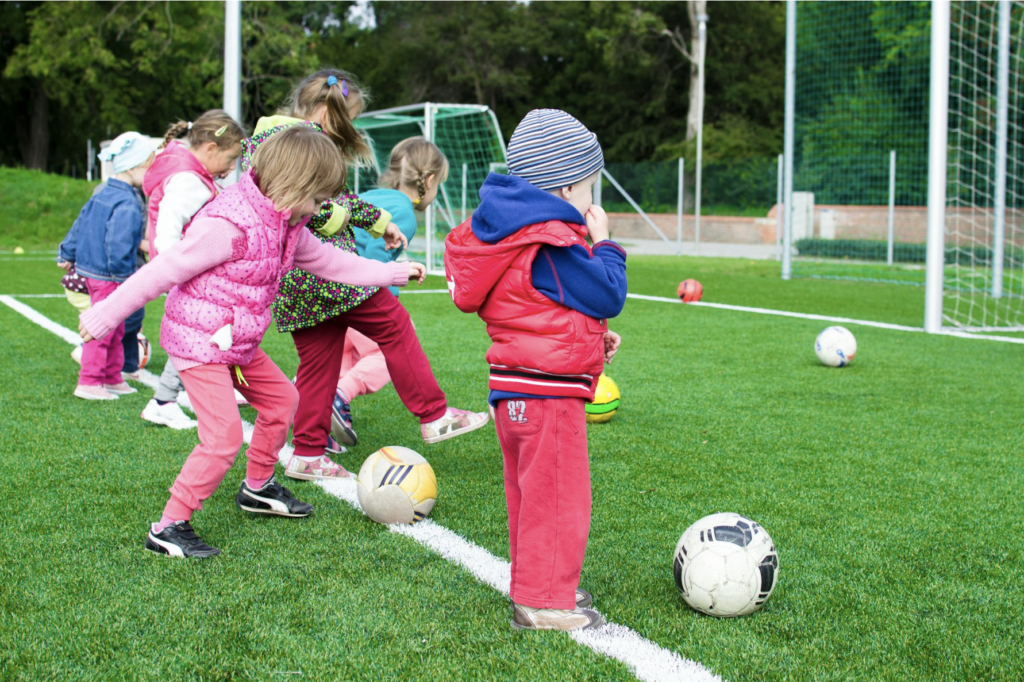
Have you noticed your child hesitating on stairs, avoiding playground equipment, or moving in a way that seems unsure?
Many Nebraska parents first see these small moments, and they can be easy to overlook when communication or behavior concerns feel more urgent. But challenges with physical therapy, autism, and motor skills development often play a major role in a child’s independence and confidence.
At Heartwise Support, strength and mobility autism PT services are currently offered exclusively to Nebraska families, focusing on helping children build safer, more confident movement patterns in daily life.
What Gross Motor Delays Look Like
Gross motor skills include running, jumping, climbing, balancing, and throwing. In many autistic children, these skills develop differently, which is why gross motor therapy for autism is often recommended as part of early support.
Common challenges seen in Nebraska PT autism evaluations include:
- Low muscle tone affects posture, endurance, and stair climbing
- Difficulty with PT balance coordination, autism tasks, such as uneven surfaces or dual-leg movements
- Motor planning delays, where sequencing movement feels confusing or slow
- Reduced body awareness (proprioception challenges)
- Avoidance of physical activity due to discomfort or unpredictability
These challenges are not behavioral issues. There are physical and neurological differences that respond well to targeted physical therapy autism motor skills intervention.

Why PT Balance Coordination Autism Work Matters
PT balance coordination autism programs are not just about exercise. They are about helping the brain and body work together more efficiently.
When strength mobility autism PT strategies are introduced early, children often show improvements in:
- Confidence during movement
- Participation in school and playground activities
- Reduced frustration during physical tasks
- Overall independence in daily routines
These improvements often extend beyond movement, influencing emotional regulation and social engagement as well.
Autism Gross Motor Therapy: What PT Actually Looks Like
Autism gross motor therapy is highly structured and individualized. At Heartwise Support in Nebraska, PT exercises for autism are tailored to each child’s needs after a full evaluation.
Common PT exercises for autism include:
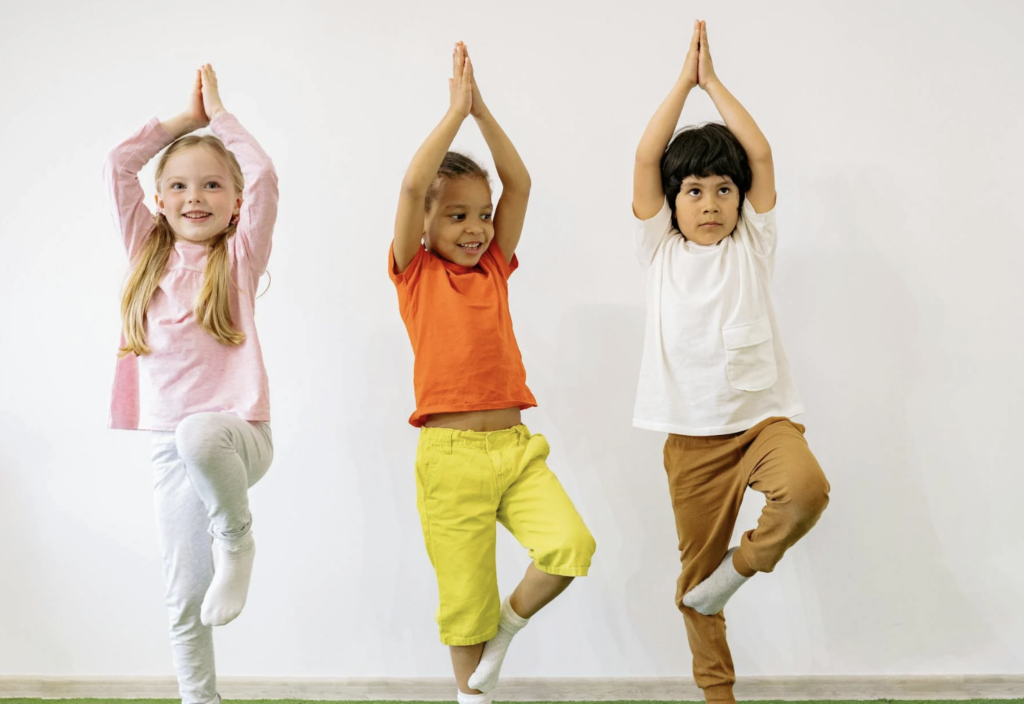
- Obstacle courses for coordination and sequencing
- Core strengthening for stability and posture
- Jumping and landing practice for control and safety
- Midline-crossing activities to improve brain-body coordination
- Gait training for walking patterns such as toe walking
Sessions are predictable, supportive, and designed to reduce stress while building skills. The goal of physical therapy autism motor skills work is not repetition alone, but meaningful functional improvement.

Strength Mobility Autism PT: Why Early Support Helps
Strength mobility autism PT interventions are most effective when introduced early, but they remain beneficial at any age. The nervous system responds well to consistent, guided movement practice.
For Nebraska families, early access to Nebraska PT autism services can support:
- Faster development of coordination skills
- Improved muscle strength and endurance
- Better posture and balance control
- Increased participation in everyday activities
Even small improvements in physical ability can create noticeable changes in confidence and independence.
Why Integration With Other Therapies Matters
Autism gross motor therapy works best when coordinated with other supports. At HeartWise Support, Nebraska PT autism services are integrated with broader care planning.
| Therapy Type | Focus | Connection to PT Exercises for Autism |
| Physical Therapy | Gross motor skills, strength, balance | Core provider of strength, mobility, and autism PT |
| Occupational Therapy | Sensory processing, fine motor skills | Supports body awareness and coordination |
| Speech Therapy | Communication and comprehension | Helps follow movement instructions |
| ABA Therapy | Behavior and skill-building | Reinforces consistency in PT goals |
This integrated approach helps physical therapy autism motor skills gains carry over into daily routines at home and school.
Nebraska PT Autism Services: What Families Should Know
Heartwise Support provides physical therapy autism services designed specifically for autistic children with gross motor challenges. Because services are currently available to Nebraska families only, all assessments and therapy plans are tailored within this regional care model.
Families often seek support when they notice:
- Delayed coordination compared to peers
- Difficulty with playground or sports participation
- Balance issues during walking or on stairs
- Fatigue during physical activity
Early evaluation for PT balance coordination and autism concerns can help clarify whether therapy is needed and what level of support is appropriate.

FAQs
1. At what age should a child start physical therapy for autism motor skills support?
Therapy can begin as early as infancy if delays are present. Nebraska PT autism services are often most effective when started early, but older children also benefit significantly.
2. How often are PT sessions needed?
This depends on the child’s needs. Some benefit from weekly sessions, while others transition to less frequent visits as strength, mobility, and autism PT goals are met.
3. Will my child enjoy autism gross motor therapy?
Many children do, especially when PT exercises for autism are structured as play-based movement activities. Engagement often increases over time.
4. Can PT help with toe walking?
Yes. Common challenges, such as toe walking, are commonly addressed in our Nebraska PT autism programs through stretching, strengthening, and gait training.
5. How does PT connect with other therapies?
Physical therapy autism motor skills programs at Heartwise Support are coordinated with occupational, speech, and behavioral therapy for consistent progress across all areas.
Learn More About Physical Therapy in Nebraska With Heartwise Support
If you are noticing movement challenges, coordination concerns, or balance difficulties, strength mobility autism PT may help your child build greater independence and confidence.
We currently provide PT autism services exclusively for Nebraska families, offering individualized autism gross motor therapy designed around each child’s needs.
Reach out to learn what physical therapy autism motor skills support could look like for your child and family: +1 402 266-6667.