Key Points:
- Access expert-led therapy services in Nebraska and Utah by reaching out to us.

Overwhelmed by starting ABA therapy? You’re not alone. The fact that you’re here, reading this, means you’re ready to start.
Signs a Child May Benefit from ABA Therapy
Children may benefit from Applied Behavior Analysis (ABA) therapy when they show ongoing challenges in key areas of development, particularly communication, behavior, and daily functioning. Early support can help build essential life skills, reduce distressing behaviors, and promote greater independence.
Communication Challenges
Delays in speech or language development, limited use of verbal or nonverbal communication, lack of babbling by 12 months, or regression in previously acquired language skills.
Emotional Regulation Difficulties
Frequent or intense meltdowns that are difficult to manage and do not improve with age or typical support strategies.
Challenging or Unsafe Behaviors
Behaviors such as aggression toward others or self-injury (e.g., head-banging) that interfere with safety and daily life.
Repetitive Behaviors and Restricted Interests
Repetitive movements (such as hand-flapping or spinning), rigid routines, or intense focus on specific objects or topics.
Social and Play Differences
Limited eye contact, difficulty engaging with peers, reduced interest in social interaction, or challenges with imitation and shared play.
Daily Living and Routine Difficulties
Struggles with self-care tasks like dressing or toileting, and significant distress or resistance during transitions or changes in routine.

Our Step-by-Step ABA Intake Process (Step-by-Step)
The ABA intake process helps determine whether ABA therapy is the right fit for your child and what support should look like.
Here’s a simple breakdown:
- Initial call or consultation: A friendly, no-pressure conversation to learn about your child. Call us in Nebraska: +1 402 266-6667. Call us in Utah: +1 801-609-1025.
- Parent intake forms: You’ll share details about development, behaviour, and daily routines
- Clinical review: A specialist reviews your child’s information and helps verify insurance
- Assessment (if needed): Observation and play-based evaluation to understand skills and needs
- Personalized therapy plan: Clear, individual goals are created based on your child’s strengths
After Evaluations: What Comes Next?
Once assessments are complete, you’ll have a clearer picture of your child’s needs.
If you’re in Nebraska, your child’s treatment plan may include:
- ABA therapy
- Occupational therapy
- Physical therapy
- Mental health services
- Speech therapy
If you’re in Utah, children and families benefit from expert-led ABA therapy.
At both locations, you’ll also have access to programs such as skills development, personalized support plans, family support services, community engagement, and educational assistance.

What to Expect When Starting ABA Therapy for the First Time
Understanding what to expect might make parents feel less overwhelmed with the process:
Assessment and Goal Setting: A Board Certified Behavior Analyst (BCBA) will complete a thorough assessment to understand your child’s current skills, strengths, and areas of need. This information is used to develop an individualized treatment plan with clear, meaningful goals.
Building Rapport (“Pairing”): Early sessions are focused on relationship-building between the therapist and your child. This stage may look like play-based, unstructured interaction as the therapist works to build trust and comfort.
Data Collection: Therapists continuously collect data during sessions to monitor progress and guide clinical decisions. This ensures the treatment plan is regularly adjusted based on your child’s development.
Positive Reinforcement: ABA therapy uses positive reinforcement, such as praise, preferred activities, or toys, to encourage skill-building and support positive behaviour change.
Family Involvement: Parents and caregivers play an important role. You can expect to be involved in goal-setting discussions, progress reviews, and learning strategies to support your child at home.
Gentle Introduction to Therapy: The first sessions are intentionally calm and comfort-focused, helping your child adjust gradually rather than diving into structured demands right away.
Helping Your Child Prepare for ABA Therapy
Talk About It in a Positive, Simple Way
Explain ABA therapy as a fun experience where your child will meet a new friend (their therapist) and play games together.
Use Visual Supports or Social Stories
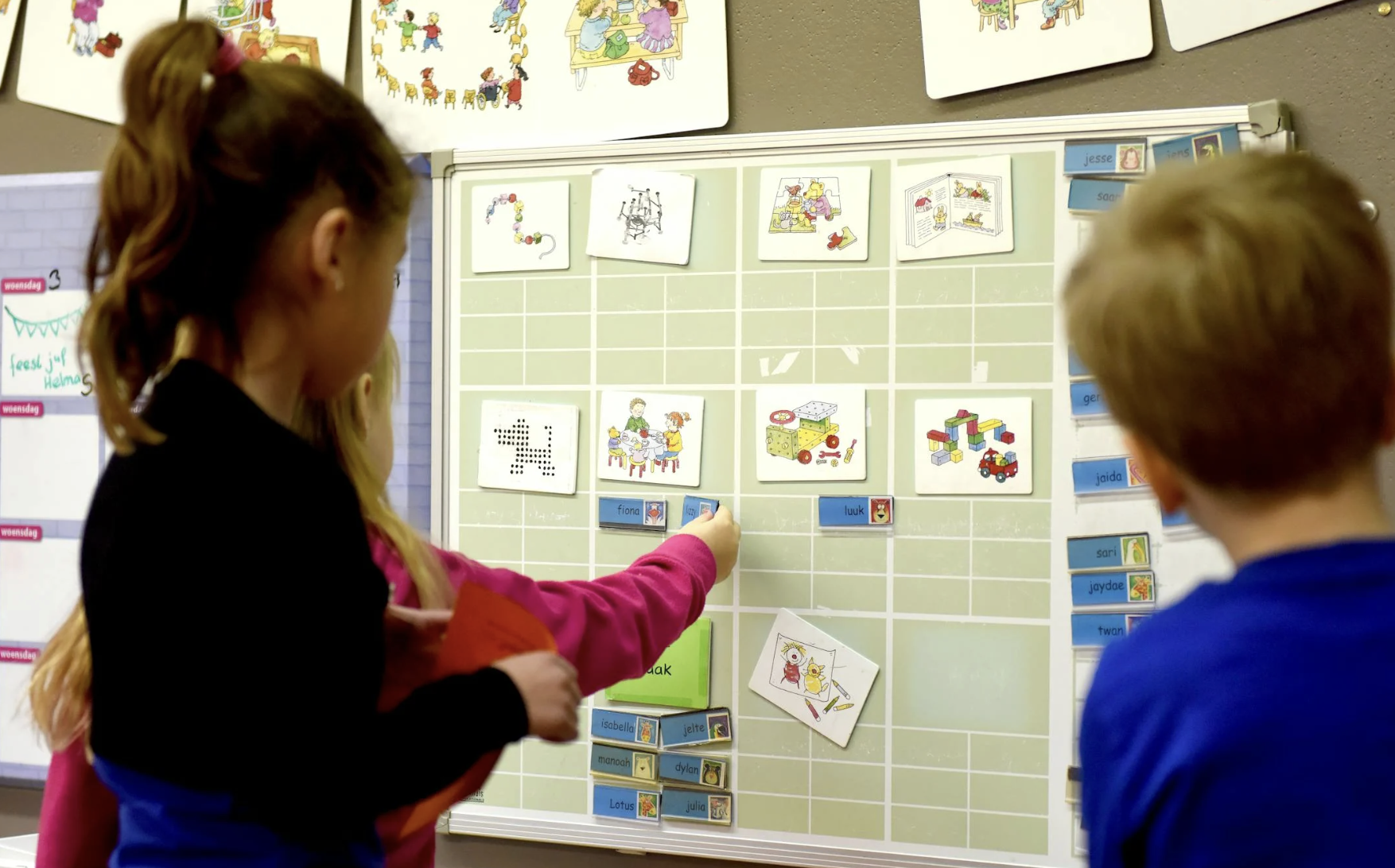
Create a short story or visual guide that walks your child through what a therapy session looks like, including fun and familiar activities.
Introduce the Therapist in Advance
If possible, share photos or videos of the therapist beforehand so your child can begin building familiarity and trust.
Practice the Daily Routine
Rehearse small parts of the therapy routine, such as getting ready or travelling at a set time, to create predictability and reduce anxiety.
Pack Familiar Comfort Items
Send along a favourite toy, blanket, or sensory item to help your child feel safe and supported during the transition.

Supporting Yourself, As a Parent Through the Transition
Stay Calm, Confident, and Reassuring
Your child will look to you for emotional cues; your calm presence helps set the tone for a positive experience.
Be Ready to Actively Participate
Early sessions often include parent involvement so you can share insights and help your child feel comfortable.
Share Key Information with the Therapy Team
Communicate your child’s routines, preferences, strengths, and challenges with the BCBA and therapy team to support effective planning.
Focus on Progress, Not Perfection
The first sessions are about building trust and comfort, not achieving immediate behavioural goals.
Commit to Consistency and Routine
A predictable schedule helps your child adjust more smoothly and supports long-term success in therapy.
Figuring out how to start autism therapy doesn’t have to be confusing. When you break it down into small steps, starting with a conversation, then moving through the ABA intake process and key evaluations, it becomes much more manageable.

FAQs
1. How do I start autism therapy with Heartwise Support?
Getting started is simple. You can reach out by phone or inquiry form, and a team member will guide you through the first conversation, learn about your child, and explain the next steps in the process.
2. What happens during the first call?
The first call is a relaxed, no-pressure conversation. We’ll talk about your child’s strengths, challenges, and your concerns, and help you understand what services may be a good fit.
3. Do I need a diagnosis before starting services?
Not always. You can begin the intake process without a formal diagnosis. If one is needed for insurance or eligibility, we’ll help guide you through that step.
4. How long does the ABA intake process take?
The ABA intake process usually takes a few days to a few weeks. It includes consultation, intake forms, clinical review, assessment (if needed), and creating a personalized therapy plan.
5. What therapies are available through Heartwise Support?
Depending on location and your child’s needs, services may include ABA therapy, speech therapy, occupational therapy, physical therapy, and mental health support, along with family and skills development programs.
6. How will I know what therapy my child needs?
You don’t have to figure that out alone. Through assessments and clinical review, our team identifies your child’s needs and recommends a targeted support plan based on their strengths and development goals. Reach out to our team today.