Key Points:
- Barriers to Social Participation: Autistic individuals often face sensory sensitivities, communication differences, and societal misunderstandings that make engaging in community life challenging.
- Importance of Belonging: Meaningful community inclusion fosters mental well-being, builds confidence, and strengthens social connections for autistic children and adults alike.
- Strategies for Success: Structured activities, sensory-friendly environments, and involving autistic voices in planning are essential to creating supportive spaces where everyone can participate fully.
Challenges to Community Inclusion
Community engagement is vital for mental health, social development, and overall well-being. For autistic individuals, however, participating in community life can be challenging due to a mix of sensory sensitivities, communication differences, social anxiety, and societal or environmental barriers. While many autistic people desire meaningful social connections, misunderstandings between autistic and neurotypical peers, a phenomenon called the “double empathy problem”, often lead to exclusion.
Understanding these challenges is the first step toward promoting social participation and creating spaces where autistic individuals feel a true sense of belonging.
1. Sensory Overload and Environmental Factors
- Overwhelming Environments: Crowded or noisy public spaces, like shopping centers or community events, can lead to sensory overload.
- Need for Predictability: Unexpected changes or chaotic routines in community activities may cause stress.
- Safety Concerns: Navigating complex, unpredictable public spaces can make some autistic individuals feel vulnerable.
2. Communication and Social Differences
- The Double Empathy Problem: Misalignment in communication styles between autistic and non-autistic individuals often results in misunderstandings.
- Non-Verbal Cues & Masking: Difficulty interpreting body language or facial expressions, combined with the mental strain of masking autistic traits, can lead to exhaustion and social withdrawal.
- Communication Barriers: Challenges expressing thoughts verbally or engaging in spontaneous conversation may reduce participation.
3. Societal and Environmental Barriers
- Stigma and Misconceptions: Misunderstanding or negative attitudes from the public can discourage participation.
- Inaccessible Infrastructure: Many community spaces lack sensory-friendly accommodations or quiet zones.
- Transportation Issues: Limited mobility or reliance on others to access events can restrict involvement.
4. Personal and Internal Challenges
- Anxiety and Mental Health: Social stress and anxiety can prevent engagement.
- Executive Functioning Difficulties: Challenges with planning or organizing participation can impede involvement.
- Interoception Issues: Difficulty recognizing internal body cues can make navigating activities harder.
5. Socio-Economic and Cultural Factors
- Financial Constraints: Costs associated with therapy, transport, or activities can limit participation.
- Cultural Misconceptions: In some regions, outdated beliefs about autism can lead to social isolation.
Strategies to Promote Community Engagement
Despite these challenges, autistic individuals can thrive in communities that prioritize inclusion, understanding, and personalized support.
Create Sensory-Friendly Environments
- Designate low-stimulation zones in public spaces such as libraries, parks, and community centers.
- Reduce noise, harsh lighting, and unexpected disruptions.
Offer Structured, Interest-Based Opportunities
- Activities aligned with an individual’s passions, arts, sports, robotics, or technology, foster natural social connections.
- Small group settings or clearly structured programs reduce social pressure.
Provide Flexible Support
- Trained staff and clear instructions improve participation in community programs.
- Remote or accessible volunteer roles allow engagement despite geographical or social barriers.
Encourage Social Skill Development
- Use social skills groups, visual schedules, or technology-assisted communication.
- Provide controlled, safe spaces to practice social interactions.
Involve the Community
- Co-Design Programs: Include autistic individuals in planning activities, services, and research to ensure their voices are heard.
- Educate Peers and Public: Awareness campaigns reduce stigma and promote acceptance, fostering belonging.

Key Examples of Community Inclusion
- Public Spaces & Retail
- Sensory-friendly hours at grocery stores, museums, and shopping centers with lower lighting, reduced noise, and calmer crowds.
- Dedicated quiet rooms or low-stimulation areas in large venues to help individuals recharge.
- Sensory-friendly hours at grocery stores, museums, and shopping centers with lower lighting, reduced noise, and calmer crowds.
- Recreation & Sports
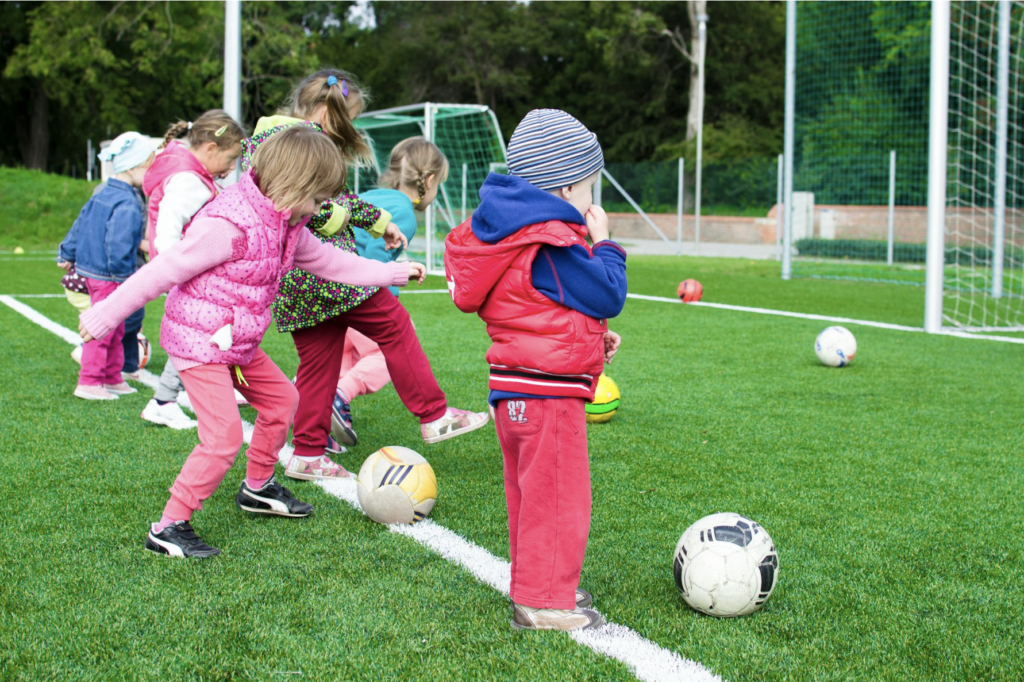
- Specialized programs such as small-group soccer, swimming, martial arts, or adaptive fitness sessions.
- One-on-one coaching or structured group activities tailored to individual needs.
- Specialized programs such as small-group soccer, swimming, martial arts, or adaptive fitness sessions.
- Educational & Social Groups
- Community centers offering art, robotics, coding, or cooking classes designed for various skill levels.
- Structured clubs that encourage participation without social pressure.
- Community centers offering art, robotics, coding, or cooking classes designed for various skill levels.
- Faith-Based Organizations
- Places of worship providing sensory-friendly services or quiet spaces.
- Buddy systems or supportive volunteers to help autistic individuals engage comfortably.
- Places of worship providing sensory-friendly services or quiet spaces.
- Public Libraries
- Sensory storytime sessions with visual aids and minimal sensory input.
- Access to quiet reading areas and structured group programs.
- Sensory storytime sessions with visual aids and minimal sensory input.
Supporting Strategies for Inclusion
- Visual Supports: Picture schedules and visual cues help individuals predict, prepare, and participate in activities with greater confidence.
- Staff Training: Educating librarians, coaches, teachers, and employees on autism awareness fosters effective, respectful interactions.
- Quiet Zones: Designated calm spaces give individuals a break from sensory overload and reduce anxiety during community activities.
These examples show that community inclusion, social participation, and a sense of belonging can be actively promoted through thoughtful planning, structured opportunities, and environmental accommodations.
Creating a Sense of Belonging at Home, School, and Community
At Home: Structured routines, sensory-friendly spaces, and engagement through special interests can reduce anxiety and promote confidence.
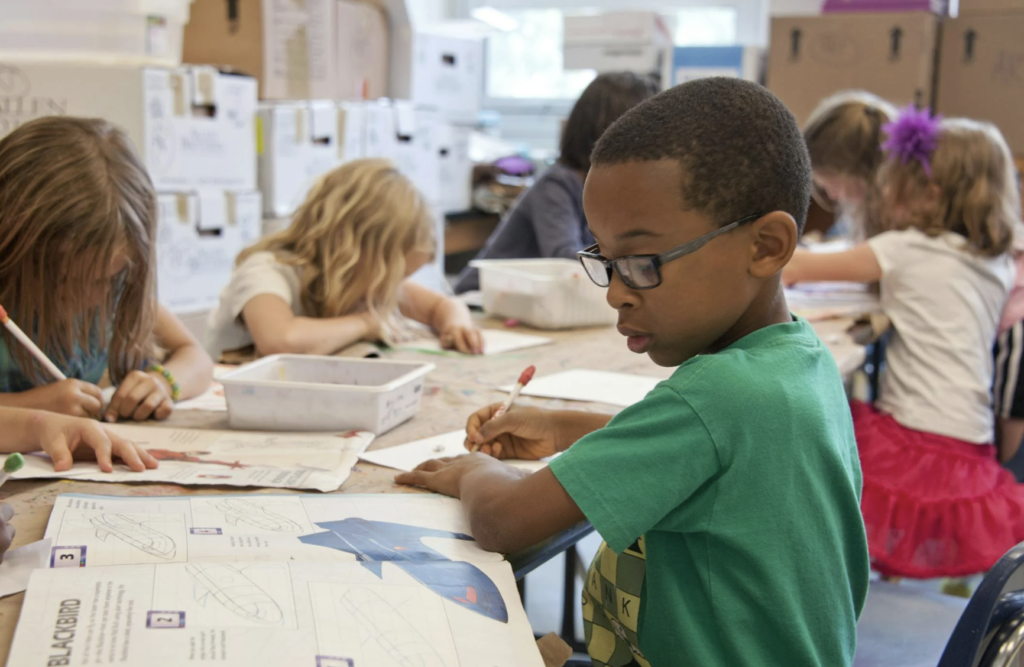
At School: Active partnerships between parents and educators, individualized support plans, and safe peer interactions nurture inclusion and growth.
In the Community: Participation in inclusive recreational programs, sensory-friendly events, and small group activities fosters authentic social connections. Educating community members ensures autistic children and adults feel welcomed rather than tolerated.
Benefits of Meaningful Community Inclusion
- Increased Independence: Engagement builds essential life skills and confidence.
- Reduced Isolation: Social participation helps form support networks and reduces loneliness.
- Improved Well-Being: Safe, accepting environments allow individuals to express themselves authentically.
Fostering community inclusion, enhancing social participation, and creating opportunities for genuine belonging are achievable with understanding, planning, and collaboration. By adapting environments, leveraging individual strengths, and involving autistic voices in decision-making, communities can ensure every individual is welcomed, supported, and empowered to thrive.
FAQs on Community Inclusion for Autistic Individuals
1. What is community inclusion for autistic individuals?
Community inclusion means creating opportunities for autistic people to participate fully in social, recreational, educational, and civic activities. It emphasizes accessibility, understanding, and respect for neurodiversity, helping individuals feel a sense of belonging.
2. Why is social participation challenging for autistic individuals?
Autistic individuals may face sensory sensitivities, communication differences, anxiety, and societal stigma. Environments that are loud, unpredictable, or poorly adapted to neurodiverse needs can create barriers to engagement.
3. What are examples of community programs for autistic children?
Programs include sensory-friendly hours at museums and libraries, adaptive sports like swimming or soccer, robotics or art clubs, and structured social skills groups. These activities prioritize structured support and individual interests.
4. How can public spaces be made more inclusive?
Public spaces can provide quiet zones, sensory-friendly hours, visual schedules, and staff trained in autism awareness. These adjustments help reduce stress, support communication, and encourage participation.
5. How does community inclusion benefit autistic individuals?
Participation in inclusive community activities improves mental health, reduces isolation, develops social and life skills, and fosters self-esteem by allowing individuals to engage authentically.
6. What role do families and caregivers play in promoting inclusion?
Families can advocate for accommodations, help plan structured routines, and identify interest-based activities. Partnering with schools, community centers, and local programs ensures consistent support and meaningful engagement.
7. How can autistic voices be included in planning community programs?
Involving autistic individuals in co-design or consultation ensures that programs meet real needs, encourage participation, and respect individual preferences. This aligns with the principle of “Nothing About Us Without Us.”
8. Are there strategies for supporting social participation at school and home?
Yes, structured routines, visual supports, interest-based activities, peer education, and gradual exposure to social situations can help children practice skills in safe environments.
9. Can adults benefit from community inclusion, too?
Absolutely. Adults benefit through inclusive employment opportunities, volunteer roles, hobby clubs, and social groups, which promote independence, connection, and a sense of purpose.
10. How can communities raise awareness and reduce stigma?
Education, training, and outreach programs for staff, peers, and the general public can increase understanding of autism, encourage empathy, and make communities more welcoming for everyone.