OT and ABA: How Occupational Therapy and ABA Work Together for Autism

General

Key Points: 

  • Holistic Support: Combining OT and ABA addresses both behavioral and sensory-motor needs, providing a comprehensive approach for children with autism.
  • Skill Development and Independence: OT builds foundational motor and sensory skills, while ABA reinforces these skills to improve daily living, social interaction, and communication.
  • Collaborative, Consistent Progress: Coordinated therapy ensures strategies are applied across home, school, and community settings, reducing challenging behaviors and promoting functional independence.

Why Combine OT and ABA?

Occupational Therapy (OT) and Applied Behavior Analysis (ABA) are highly complementary therapies that, when combined, provide a holistic approach to supporting children with autism. 

While ABA focuses on behavioral, social, and communication skills through structured reinforcement, OT targets sensory processing, motor skills, and functional daily living tasks. 

Together, these therapies create a comprehensive framework addressing both behavioral and sensory-motor needs:

Sensory-Behavioral Connection: Many behavioral challenges stem from sensory sensitivities. OT helps identify and manage these sensitivities, such as overreaction to textures or noise, making the child more receptive to ABA therapy.

Skill Reinforcement: ABA techniques, like positive reinforcement, can strengthen skills learned in OT. For example, a child learning to button a shirt in OT can receive ABA-based rewards for practicing this skill at home or school.

Improved Daily Functioning: By addressing motor skills and sensory regulation alongside behavioral strategies, children improve independence in self-care, social skills, and classroom participation.

Unified Support: Coordination between OT and ABA therapists ensures consistent interventions across environments, helping children generalize skills from therapy sessions to real-life situations.

Examples of OT and ABA Collaboration

1. Feeding and Mealtime Challenges

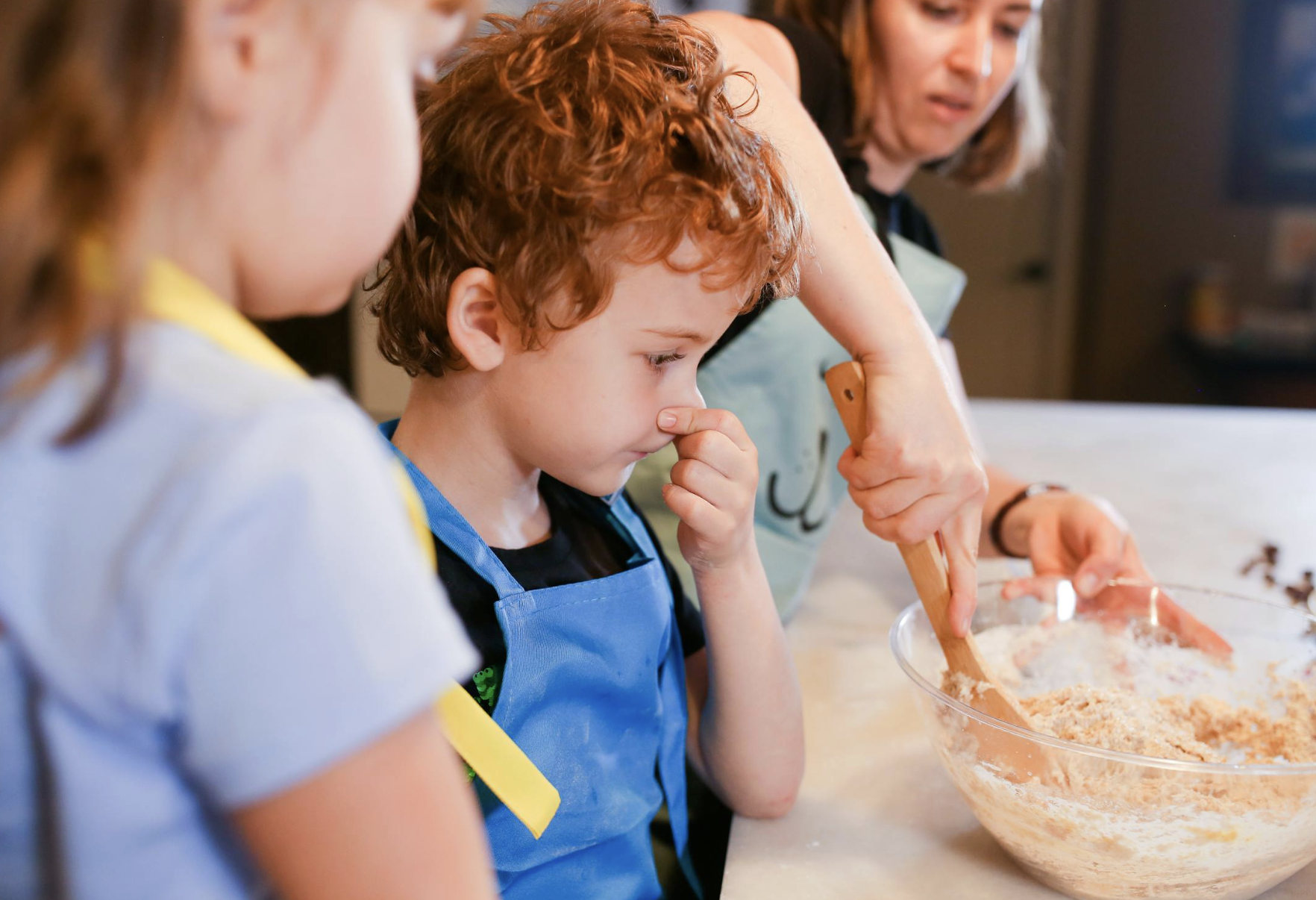
  • OT Focus: Addresses oral-motor skills and sensory defensiveness, such as gagging on certain textures.
  • ABA Focus: Encourages sitting at the table, trying new foods, and following mealtime routines using positive reinforcement.
  • Combined Goal: Expanding food repertoire while reducing disruptive behavior during meals.

2. Daily Living Skills (Self-Care)

  • OT Focus: Improves fine motor skills for tasks like dressing, brushing teeth, and using utensils.
  • ABA Focus: Breaks down tasks into smaller steps (task analysis) and uses reinforcement to encourage independence.
  • Combined Goal: Children become more self-sufficient with reduced frustration.

3. Sensory Regulation and Classroom Participation

  • OT Focus: Implements a “sensory diet” (heavy work, deep pressure, or calming activities) to regulate the child’s nervous system.
  • ABA Focus: Uses these regulated states to teach social skills, maintain attention, and encourage appropriate classroom behavior.
  • Combined Goal: A calmer, focused child able to engage in learning without sensory overload.

4. Fine Motor and Writing Skills

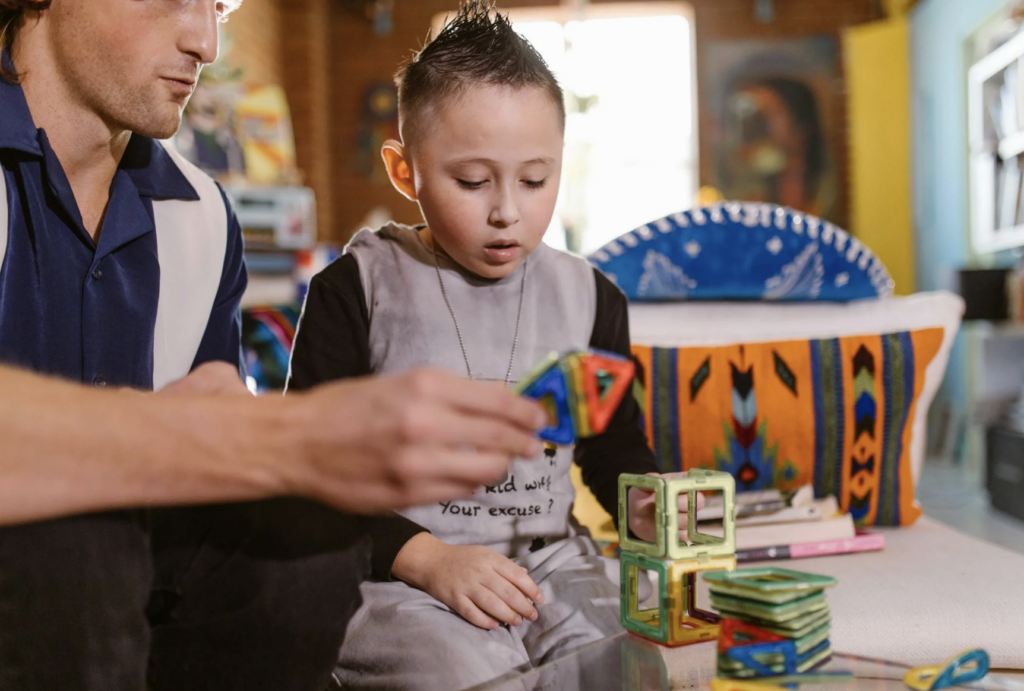
  • OT Focus: Builds hand strength, wrist stability, and visual-motor coordination.
  • ABA Focus: Motivates children to practice handwriting through token systems or preferred activities.
  • Combined Goal: Children complete classroom tasks with better control and confidence.

5. Social Skills and Play

  • OT Focus: Supports motor planning and body awareness for games and playground activities.
  • ABA Focus: Uses social stories, modeling, and prompts to teach peer interaction, sharing, and turn-taking.
  • Combined Goal: Increased participation in social play and cooperative activities.

Benefits of Sensory ABA Therapy

Combining OT and ABA provides several advantages:

  1. Comprehensive Skill Development: OT addresses sensory sensitivities and motor skills, while ABA reinforces behaviors and social/communication skills.
  2. Faster, Consistent Progress: Focusing simultaneously on sensory, motor, and behavioral development accelerates learning.
  3. Reduced Challenging Behaviors: ABA strategies manage disruptive behaviors, while OT tackles underlying sensory or physical triggers.
  4. Improved Daily Functioning: Supports self-regulation, attention, and memory, enabling children to navigate routines more independently.
  5. Holistic Support: Addresses the whole child, physically, socially, and emotionally, through individualized interventions.

How to Access Combined OT and ABA Therapy

  1. Integrated Centers: Search for pediatric therapy or autism centers offering ABA, OT, and sometimes Speech Therapy on-site. Look for co-treatment sessions, joint goal setting, and shared communication among therapists.
  2. Separate Providers (Wraparound Model): Ensure ABA and OT teams collaborate, sharing data and goals to reinforce overlapping skills.
  3. Enrollment Steps:
    • Obtain a formal autism diagnosis and referrals.
    • Check insurance coverage for both ABA and OT services.
    • Complete intake assessments to create an individualized treatment plan.

Signs Your Child May Benefit From OT & ABA

  • Occupational Therapy (OT) Indicators: Sensory sensitivities, fine/gross motor delays, difficulty with self-care, or feeding issues.
  • Applied Behavior Analysis (ABA) Indicators: Frequent meltdowns, social interaction difficulties, repetitive behaviors, or communication challenges.

Combining OT and ABA provides a sensory ABA therapy approach that treats both the behavioral and sensory-motor needs of children with autism. By integrating these therapies, children gain functional independence, improved social skills, and emotional regulation, creating a strong foundation for lifelong learning and participation.

For a personalized assessment and collaborative therapy plan for your child, contact us today.

FAQs About Combining OT and ABA

1. Can OT and ABA be provided in the same session?

Yes, some clinics offer co-treatment sessions where both therapists work with the child simultaneously to reinforce skills in real-time.

2. How do I know which therapy my child needs first?

Assessments by both an OT and a BCBA (Board Certified Behavior Analyst) will help determine priorities. Often, addressing sensory or motor issues first can improve ABA outcomes.

3. Will combining therapies increase the cost?

Costs vary depending on your clinic and insurance coverage. Some providers offer integrated billing for combined sessions, while separate providers may require separate authorizations.

4. How long before I see progress?

Progress depends on the child’s unique needs. Many families see improvements in self-care, attention, or emotional regulation within a few months of coordinated therapy.

5. Can these therapies help with school performance?

Yes, OT can address fine motor and sensory needs for learning, while ABA reinforces attention, task completion, and social participation in the classroom.

6. What if my child resists therapy?

Both OT and ABA use motivational strategies tailored to the child’s interests. Positive reinforcement, sensory supports, and gradual exposure often increase participation.

7. Are OT and ABA suitable for all children with autism?

While generally beneficial, the intensity and type of therapy should be based on developmental needs, sensory sensitivities, and behavioral challenges.

Related Posts

Coordinated Autism Care: How Combining ABA and Speech Therapy Drives Lasting Results

General

Key Points:

  • Integrated Approach Improves Outcomes: Combining ABA therapy and speech therapy for autism through a coordinated autism care plan addresses both behavioral and communication challenges, leading to faster skill development.
  • Collaboration is Essential: A multidisciplinary team, including BCBAs, SLPs, OTs, psychologists, educators, and caregivers, ensures consistent strategies across home, school, and clinic environments.
  • Early, Tailored Intervention Matters: Identifying communication or behavioral challenges early and implementing ABA speech combo techniques helps reduce frustration, increase independence, and support long-term success.

The Link Between ABA & Speech Therapy

Research shows that language development is often delayed in children with autism, with many needing support to acquire functional communication. Only about half develop language by adulthood, and skills usually remain below typical levels. Combining speech therapy with ABA can significantly improve outcomes.

Combining ABA therapy with speech therapy and autism interventions creates a holistic approach that addresses both behavioral and communication challenges.

This ABA speech combo leverages behavioral modification strategies to reduce maladaptive behaviors while developing articulation, language comprehension, and social communication skills. When delivered as part of a coordinated autism care plan, children benefit from consistent, collaborative support across home, school, and clinic environments.

What Is a Multidisciplinary Autism Team?

A multidisciplinary team brings together professionals from medical, therapeutic, and educational fields to provide comprehensive, person-centered care. The goal is to develop customized treatment plans, ensure consistent care across environments, and enhance the child’s overall quality of life.

Core Team Roles:

  • Developmental/Behavioral Pediatrician or Child Psychiatrist: Conducts diagnostic assessments (e.g., ADOS-2), evaluates medical and cognitive factors, and manages co-occurring conditions such as ADHD or epilepsy.
  • Board Certified Behavior Analyst (BCBA): Oversees behavioral plans, focusing on functional communication, social skills, and behavior modification.
  • Speech-Language Pathologist (SLP): Provides speech therapy interventions, including expressive/receptive language, social communication, and AAC tools.
  • Occupational Therapist (OT): Supports sensory regulation, fine motor skills, and daily living activities.
  • Psychologist: Assesses cognitive and emotional functioning, offering therapy for mental health needs.
  • Special Education Teacher: Develops Individualized Education Programs (IEPs) and implements academic accommodations.
  • Physical Therapist (PT): Improves gross motor skills, coordination, and physical health.
  • Parents/Caregivers: Essential team members for goal-setting, skill reinforcement, and daily support.

  • Social Worker/Case Coordinator: Coordinates care, connects families with services, and acts as a primary contact.

How ABA and Speech Therapy Work Together

The ABA speech combo emphasizes integrated goals and consistent strategies:

  • Integrated Goal Planning: SLPs and ABA therapists set complementary goals, such as teaching a new phrase and reinforcing it across settings.
  • Functional Communication Training (FCT): ABA techniques help generalize communication skills learned in speech therapy, reducing reliance on negative behaviors to express needs.
  • Improved Generalization: Skills are reinforced across home, school, and clinic environments.
  • Consistent Terminology: Shared language and data collection methods ensure clear progress tracking.
  • Social Skills Enhancement: ABA strategies support social communication training led by speech therapists.

Key Techniques in Speech Therapy for Autism

  • Augmentative and Alternative Communication (AAC): Picture boards, apps, or devices help nonverbal or minimally verbal children communicate.
  • Prompting and Modeling: Visual cues, repetition, and guided practice build verbal and social skills.
  • Social Skills Groups: Teach understanding of emotions, turn-taking, and pragmatic language.
  • Sensory Integration: OT and speech therapy collaboration helps children stay regulated and ready to communicate.
  • Music and Song: Rhythm and melody support speech development and social engagement.

Signs a Child May Need Speech Therapy or ABA

Early identification of communication or behavioral challenges is key to successful outcomes. 

Children showing certain signs may benefit from speech therapy, ABA therapy, or a coordinated autism care approach. Early, tailored interventions can significantly improve communication, social interaction, and behavior.

Signs Indicating a Need for Speech Therapy

  • Limited or No Speech: No babbling by 12 months, no words by 16 months, or no two-word phrases by 24 months.
  • Echolalia: Repeating words, phrases, or even commercials immediately or long after hearing them.
  • Difficulty Expressing Needs: Trouble following instructions, answering questions, or conveying wants.
  • Unusual Speech Patterns: Monotone, robotic, or sing-song voice.
  • Limited Non-Verbal Communication: Avoiding eye contact or not using gestures to communicate.

Signs Indicating a Need for ABA Therapy

  • Behavioral Challenges: Frequent tantrums, meltdowns, or frustration, often linked to communication struggles.
  • Repetitive Behaviors: Intense movements like hand-flapping, rocking, or spinning objects.
  • Rigid Routines: Extreme distress over minor changes in schedule or environment.
  • Restricted Interests: Intense focus on specific objects or narrow topics.
  • Social Isolation: Preferring solitary play or appearing unaware of others.

When to Seek Professional Support

If these signs are observed, it’s important to consult a developmental pediatrician, speech-language pathologist, or Board Certified Behavior Analyst (BCBA). Early, coordinated interventions through ABA therapy and speech therapy for autism can foster skill development, reduce frustration, and improve long-term outcomes. If you resonate, reach out to us for immediate support.

How to Access Both ABA Therapy and Speech Therapy

To maximize the benefits of a coordinated autism care approach, follow these steps to access and integrate both ABA therapy and speech therapy for autism:

  1. Seek Comprehensive Evaluations: Have both a Speech-Language Pathologist (SLP) and a Board Certified Behavior Analyst (BCBA) conduct thorough assessments. This ensures a unified understanding of your child’s needs and forms the foundation for a cohesive treatment plan.
  2. Coordinate Care Between Providers: Encourage SLPs and ABA therapists to collaborate, share progress, and align strategies. Consistent communication prevents mixed teaching methods and reinforces learning.
  3. Use Positive Reinforcement: Apply ABA techniques during speech therapy sessions to motivate engagement, reduce frustration, and increase skill acquisition.
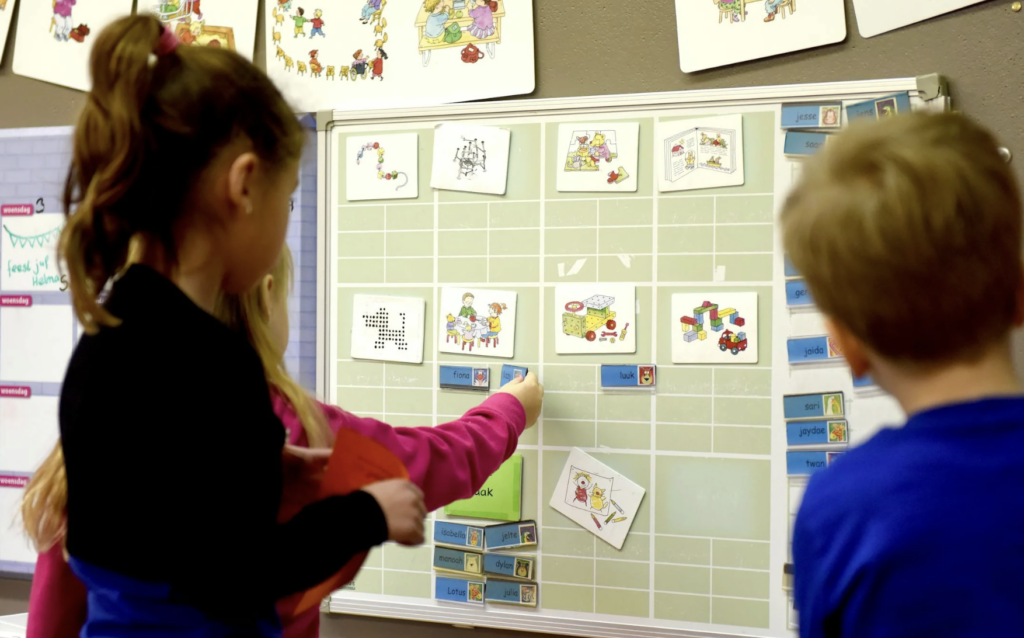
  4. Implement Integrated Strategies: Ask providers to use consistent tools like visual aids, picture boards, or AAC devices across both therapies. This repetition strengthens understanding and helps children generalize skills across environments.

Access ABA therapy and speech therapy with us today.

Coordinated Autism Care: How ABA Therapy and Speech Therapy Work Together

While speech therapy focuses on articulation, language comprehension, and social communication, ABA reinforces these skills in everyday situations, creating a consistent, coordinated autism care.

ABA Therapy Speech Examples

ABA uses structured techniques to teach communication as a functional behavior, often emphasizing manding (requesting).

  • Mand Training (Requesting): If a child wants juice, the therapist holds it and prompts the child to say “juice” or use a picture card before giving it, reducing frustration.
  • Functional Communication Training (FCT): A child who hits to leave a room is taught to use a PECS card for “break” or verbalize “all done,” immediately reinforced with the requested break.
  • Natural Environment Teaching (NET): Communication is embedded into daily activities. For example, during play, a therapist may prompt a child to say “ball” to get a toy.
  • Echoics: The therapist encourages repeating sounds or words to improve verbal imitation, pronunciation, and clarity.

Speech Therapy Autism Examples

Speech-Language Pathologists (SLPs) focus on the mechanics of speech, language comprehension, and social communication:

  • Articulation Therapy: Practicing specific sounds, like consonant blends (“sp” in “spin”), to improve clarity.
  • AAC Training: Teaching the use of Augmentative and Alternative Communication devices, such as tablets, apps, or picture boards, for non-verbal children.
  • Social Stories/Pragmatic Language: Using stories and role-play to teach turn-taking, understanding emotions, and proper conversation flow.

Integrated Example: “More Bubbles”

  • ABA Approach: During bubble play, the therapist stops and prompts the child to say “more” or sign it. When the child responds correctly, more bubbles are immediately given (positive reinforcement).
  • Speech Therapy Approach: The SLP focuses on producing the “m” sound and modeling the word “more,” supporting motor planning, pronunciation, and clarity.

By combining these approaches, children learn to generalize communication skills across environments, increasing independence and improving long-term outcomes.

Benefits of a Coordinated Autism Care Approach

  • Holistic Development: Addresses communication, behavior, sensory, and motor skills simultaneously.
  • Faster Progress: Coordinated, evidence-based interventions accelerate skill acquisition.
  • Reduced Confusion: Eliminates conflicting advice from multiple providers.
  • Consistency Across Environments: Ensures children apply learned skills in everyday situations.

Early Intervention Matters

Early introduction of ABA speech combo techniques ensures better outcomes, reduces long-term frustration, and supports smoother transitions into school and daily life. Families play a critical role in generalizing skills at home, making coordinated, team-based care essential for success.

Contact us to learn more about how coordinated autism care can support your child

Frequently Asked Questions (FAQs) About Coordinated Autism Care and ABA Speech Combo

1. What is an ABA speech combo?

An ABA speech combo integrates Applied Behavior Analysis (ABA) therapy with speech therapy interventions. It targets both behavioral challenges and communication skills, helping children express their needs effectively while reducing frustration-driven behaviors.

2. How does Functional Communication Training (FCT) work?

FCT teaches children to replace challenging behaviors, like hitting or screaming, with functional communication. For example, a child may learn to use a PECS card or verbalize “all done” to indicate they want a break.

3. Who is part of a multidisciplinary autism team?

A multidisciplinary team includes BCBAs, speech-language pathologists, occupational therapists, psychologists, special education teachers, physical therapists, pediatricians, parents, and case coordinators. Each professional contributes expertise to ensure holistic, coordinated care.

4. How do ABA and speech therapy work together?

ABA reinforces communication skills taught by speech therapists, helping children generalize these skills across home, school, and social settings. Together, they are consistent strategies for functional communication and social skills development.

5. What is the role of Augmentative and Alternative Communication (AAC) in therapy?

AAC tools, such as picture boards, apps, or speech devices, support nonverbal or minimally verbal children. ABA therapists and SLPs teach these tools to improve communication, reduce frustration, and enhance independence.

6. Can ABA speech combo techniques improve social skills?

Yes. By combining ABA reinforcement strategies with speech therapy, children learn to initiate conversations, take turns, recognize emotions, and understand social cues in a structured, supportive environment.

7. How important is family involvement in coordinated autism care?

Parents and caregivers play a crucial role by reinforcing skills at home, providing insights to therapists, and ensuring consistency across daily routines, which greatly enhances long-term outcomes.

8. When should I start ABA and speech therapy for my child?

Early intervention is key. Starting therapy as soon as developmental concerns are identified improves communication, reduces behavioral challenges, and supports smoother transitions into school and social environments.

Related Posts

Holistic Autism Care: Helping Parents Navigate ABA Therapy to Support Every Aspect of Their Child’s Life

General

Key Points:

  • Whole-Child Focus: Holistic ABA therapy addresses emotional, social, sensory, and adaptive needs with behavior, supporting overall development and well-being.
  • Naturalistic, Play-Based Learning: Skills are taught in real-life environments through engaging, child-led activities, making learning meaningful and easier to generalize.
  • Family-Centered & Empowering: Parents actively participate in therapy, reinforcing skills at home, reducing stress, and fostering independence and confidence in their child.

What Is Holistic ABA Therapy?

Holistic Applied Behavior Analysis (ABA) therapy is a comprehensive, whole-child ABA approach to autism support that goes beyond traditional, solely behavior-focused methods. Instead of concentrating only on reducing challenging behaviors, holistic ABA therapy considers the child’s emotional, sensory, cognitive, and social well-being.

This model blends evidence-based behavioral strategies with individualized care that reflects the child’s environment, interests, strengths, and overall quality of life. Families increasingly seek holistic autism care because it creates a supportive, respectful, and engaging therapeutic experience that nurtures autonomy and meaningful connection.

Unlike traditional ABA models that have sometimes been criticized for emphasizing compliance or behavior correction alone, integrative ABA therapy focuses on understanding and supporting the whole child.

Core Components of Whole-Child ABA

1. Whole-Child Focus

Addresses cognitive development, emotional regulation, sensory processing, adaptive skills, and social growth, not just behavior modification.

2. Naturalistic Teaching (NET)

Uses play-based, child-led instruction within real-life environments such as the home, school, or community. This makes learning meaningful, enjoyable, and easier to generalize.

3. Family-Centered Care

Parents are active partners in therapy. They participate in goal-setting, strategy development, and skill reinforcement, strengthening progress beyond therapy sessions.

4. Trauma-Informed Approach

Prioritizes safety, trust, consent, and emotional security. Therapists aim to reduce stress and avoid practices that may cause emotional distress.

5. Addressing Underlying Factors

Recognizes that challenging behaviors are often forms of communication. Behaviors may stem from sensory overload, anxiety, frustration, communication difficulties, or physical discomfort — and therapy addresses these root causes.

The Goal of Holistic ABA Therapy

Holistic ABA therapy aims to help children live fulfilling, independent lives while honoring their individuality. By combining science-backed behavioral strategies with compassion, family collaboration, and interdisciplinary care, this whole-child ABA model supports meaningful developmental progress.

Whole-child ABA is not just about changing behavior; it is about building skills, strengthening relationships, and improving overall quality of life through thoughtful, integrative ABA therapy.

If you are exploring holistic autism care for your child and want to learn more about a whole-child ABA approach tailored to your family’s needs, contact us today.

Holistic ABA Therapy in Practice

Below are examples of how this whole-child approach works in real-life settings.

1. Natural Environment Teaching (NET) – Play-Based Learning

Example: Playing with Trains

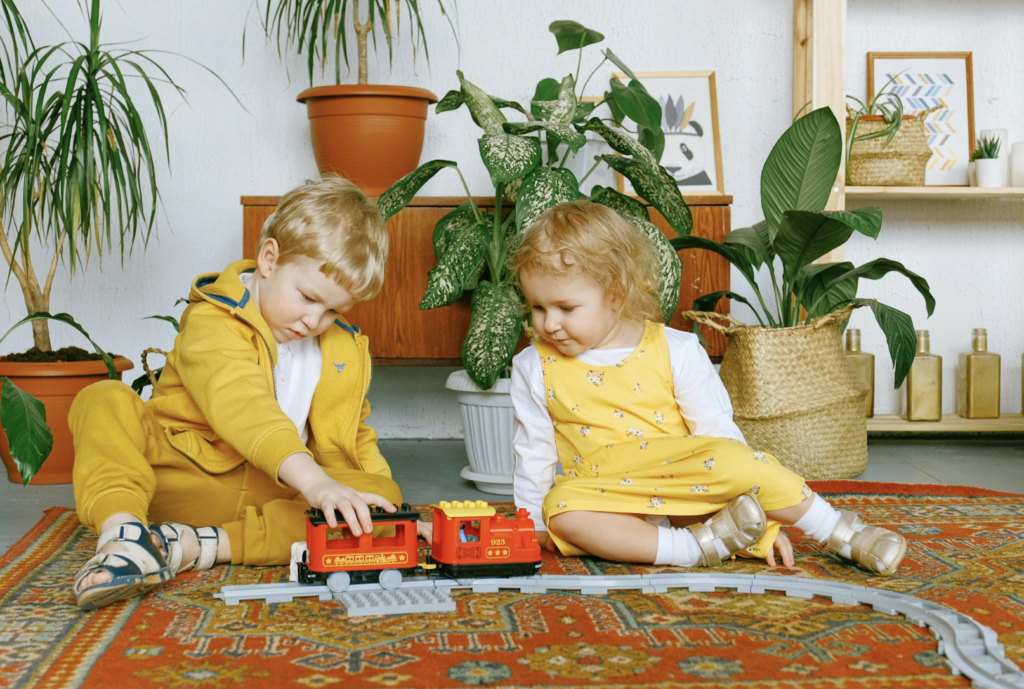
A child loves toy trains. The therapist joins the child on the floor and waits for them to reach for a specific train. When the child reaches for the blue one, the therapist models the phrase “blue train” before handing it over. The reward is natural; the child gets to continue playing with something they genuinely enjoy.

Example: Sensory Play Exploration

To build tolerance for new textures, a therapist introduces a sensory bin filled with rice or sand. The child leads the exploration while the therapist gradually adds new objects with different textures. This reduces anxiety and gently increases sensory flexibility without pressure.

2. Functional Communication Training (FCT) – Reducing Frustration

Example: Requesting a Break

A child typically screams when overwhelmed by a task. The therapist teaches them to hand over a “break” card or say “break, please.” When the child uses the new communication method, the task immediately pauses. The child learns that communication works better than screaming.

Example: Requesting an Item

A child wants juice but struggles with speech. The therapist prompts them to point to a picture of juice or use a simple vocalization like “ju.” As soon as they attempt communication, they receive the drink. This reinforces communication and reduces tantrums.

3. Social-Emotional Regulation & Social Skills

Example: Handling Losing a Game

During a board game, a child becomes upset after losing. The therapist guides them to take a deep breath and say, “Good game.” When the child practices this coping strategy, the therapist offers praise or small reinforcement, building emotional regulation skills.

Example: Turn-Taking at the Playground

On the playground, the therapist uses simple visual cues such as “my turn” and “your turn” while playing on swings or slides. By mediating in real-time social interactions, the child practices sharing and cooperative play in a natural setting.

4. Daily Living Skills & Independence

Example: Brushing Teeth

The therapist first teaches the child to pick up the toothbrush. Once mastered, they add the next step, applying toothpaste, then brushing. Each small success is reinforced with praise, helping the child gain confidence and independence.

Example: Getting Dressed

A child learning to put on a coat receives assistance with the most difficult part (zipping), while independently completing easier steps (putting arms through sleeves). Over time, support is gradually reduced until the child can dress independently.

5. Parent & Caregiver Partnership

Example: Mealtime Communication

Parents are taught to pause briefly before handing over food, waiting for their child to gesture, vocalize, or point. This simple strategy encourages spontaneous communication and reduces passive dependence.

What Makes the Holistic Approach Different?

Not Just Stopping Behavior

Instead of focusing on saying “no,” therapists teach a functional replacement behavior that serves the same purpose.

Focus on Autonomy

The goal is greater independence and self-advocacy, not forcing children to mask autistic traits.

Interest-Driven Learning

Lessons are built around the child’s interests, increasing engagement, motivation, and meaningful progress.

Why Families Prefer Holistic Autism Care

Families are increasingly choosing holistic ABA therapy because it emphasizes dignity, compassion, and long-term quality of life.

Respects Neurodiversity

Rather than focusing on “normalizing” a child, whole-child ABA supports independence, self-advocacy, and authentic self-expression.

Less Stressful & More Engaging

Play-based and interest-led learning reduces burnout, increases motivation, and encourages joyful participation.

Functional, Real-World Skills

Skills such as dressing, toileting, communication, and emotional regulation are taught in natural contexts, improving everyday independence.

Improved Family Dynamics

Caregiver training reduces daily stress and empowers families with tools that strengthen communication and harmony at home.

Empathy-Driven Intervention

Therapists prioritize understanding why a behavior occurs before designing intervention strategies.

whole-child ABA, holistic autism care, integrative ABA therapy

Key Differences: Traditional vs. Holistic ABA

Primary Focus

  • Traditional ABA: Focuses on behavioral compliance.
  • Holistic / Whole-Child ABA: Supports emotional, social, sensory, and adaptive development.

Teaching Style

  • Traditional ABA: Structured and repetitive, often using discrete trial training (DTT).
  • Holistic / Whole-Child ABA: Play-based and naturalistic, using natural environment teaching (NET) and child-led learning.

Environment

  • Traditional ABA: Usually clinic-based.
  • Holistic / Whole-Child ABA: Delivered in home, school, and community settings.

Goal

  • Traditional ABA: Reduce “negative” behaviors.
  • Holistic / Whole-Child ABA: Improve overall quality of life and independence.

Family Role

  • Traditional ABA: Families receive progress updates.
  • Holistic / Whole-Child ABA: Families actively collaborate and are trained to support learning.

Integrative ABA Therapy: An Interdisciplinary Model

Modern holistic autism care often includes collaboration between multiple professionals. Integrative ABA therapy may work alongside:

  • Speech-Language Pathologists (SLPs)
  • Occupational Therapists (OTs)
  • Physical Therapists
  • Developmental specialists

This interdisciplinary approach ensures communication, sensory regulation, motor development, and emotional well-being are addressed together, not in isolation.

whole-child ABA, holistic autism care, integrative ABA therapy

Benefits of Whole-Child ABA

Improved Communication & Social Skills

Enhances both verbal and non-verbal communication, supports turn-taking, peer interaction, and understanding social cues.

Increased Independence

Builds adaptive life skills such as hygiene, dressing, feeding, and daily routines, promoting confidence and autonomy.

Reduced Challenging Behaviors

By identifying root causes, therapy replaces disruptive behaviors with functional communication and coping strategies.

Stronger Skill Generalization

Because learning occurs in natural settings, children more easily apply new skills at home, school, and in the community.

Support for the Entire Family

Caregiver training reduces stress, strengthens relationships, and builds long-term consistency.

Long-Term Functional Development

Holistic ABA prioritizes confidence, life skills, and emotional resilience, not short-term compliance.

Frequently Asked Questions (FAQs)

1. What is holistic ABA therapy?

Holistic ABA therapy is a whole-child approach to Applied Behavior Analysis that supports emotional regulation, communication, social skills, sensory needs, and independence, not just behavior reduction. It blends evidence-based behavioral strategies with compassionate, individualized care in natural environments.

2. How is holistic ABA different from traditional ABA?

Traditional ABA often emphasizes structured drills and behavior compliance. Holistic ABA therapy focuses on autonomy, emotional well-being, functional life skills, and naturalistic, play-based teaching methods. It prioritizes quality of life rather than simply reducing behaviors.

3. Is holistic ABA therapy evidence-based?

Yes. Holistic ABA still uses research-backed behavioral principles such as reinforcement, task analysis, prompting, and Functional Communication Training (FCT). The difference lies in how those strategies are delivered, through child-led, natural, and family-centered approaches.

4. Does holistic ABA support neurodiversity?

Yes. Holistic autism care respects neurodiversity by focusing on helping children build independence, self-advocacy, and meaningful life skills rather than trying to make them appear “less autistic.” The goal is empowerment, not normalization.

5. At what age is it best to start holistic ABA therapy?

Early intervention (typically ages 2–6) can be highly beneficial, but holistic ABA therapy can support children, teens, and even young adults. Programs are individualized based on developmental level and personal goals.

6. How does holistic ABA address challenging behaviors?

Instead of simply stopping a behavior, therapists identify the underlying reason behind it, such as sensory overload, communication frustration, or anxiety. They then teach a functional replacement behavior that meets the same need more healthily.

7. How are parents involved in holistic ABA therapy?

Parents are active partners in integrative ABA therapy. They participate in goal-setting, receive training on strategies, and practice techniques at home. This helps children generalize skills across environments and reduces family stress.

8. What skills are taught in whole-child ABA?

Whole-child ABA focuses on communication, emotional regulation, social interaction, daily living skills (such as dressing and hygiene), coping strategies, and independence. The ultimate goal is improving long-term quality of life.

Related Posts

Autism Therapy Omaha: What Parents Should Know

General

  • Personalized, Evidence-Based Support: ABA therapy helps children with autism and developmental delays develop communication, social, and daily living skills through structured, individualized programs.
  • Early Intervention Matters: Children ages 2–6 benefit most from ABA, but therapy can support individuals of all ages, helping reduce challenging behaviors and improve independence.
  • Family Involvement is Crucial: Parents and caregivers play a key role in reinforcing skills, providing insights to therapists, and creating a positive, consistent environment for lasting progress.
autism therapy Omaha, ABA services Nebraska, Omaha autism support

What Is ABA Therapy?

Applied Behavior Analysis (ABA) therapy is a structured, evidence-based approach that helps children with Autism Spectrum Disorder (ASD) and other developmental delays develop essential skills. ABA works by analyzing what happens before (antecedent) and after (consequence) a behavior, enabling therapists to teach functional skills, improve communication, and reduce challenging behaviors.

Primarily benefiting children ages 2 to 6, ABA also supports individuals with developmental delays, ADHD, and learning disabilities, helping them gain independence and improve social, communication, and daily living skills. Over time, ABA has evolved from rigid, sit-down tasks to more naturalistic, play-based approaches that make learning enjoyable and effective. Modern ABA focuses on the principle that behavior is learned, meaning positive, functional behaviors can be taught through personalized, structured programs.

Who Can Benefit from ABA Therapy

Primary Beneficiaries

  • Children with Autism (ASD): ABA helps improve verbal and nonverbal communication, social interactions, and daily living skills.
  • Individuals with Developmental Delays or ADHD: ABA supports children who face behavioral challenges, attention difficulties, or learning delays.
  • Families and Caregivers: Parents receive training to understand their child’s behaviors, making daily routines smoother and reducing stress at home.
  • Adults with Autism: ABA can help adults develop vocational skills, manage behaviors, and navigate social situations.
autism therapy Omaha, ABA services Nebraska, Omaha autism support

Signs Your Child May Benefit from ABA

ABA therapy is often recommended for children showing:

  • Communication Difficulties: Limited speech, trouble expressing needs, or repeating words or phrases (echolalia).
  • Social Challenges: Avoiding eye contact, difficulty sharing or taking turns, or lack of interest in peers.
  • Behavioral Concerns: Frequent tantrums, aggression, self-injury, or extreme rigidity in routines.
  • Developmental Delays: Struggles with self-care tasks such as dressing, feeding, or potty training.
  • Repetitive or Restricted Behaviors: Hand flapping, rocking, spinning objects, or intense focus on specific items.
  • Educational Challenges: Difficulty following instructions, transitioning between activities, or adapting to classroom structure.

By identifying these signs early, families can access ABA therapy to support their child’s communication, independence, and emotional regulation, setting the stage for long-term growth and success.

Key Aspects of ABA Therapy

Goals:

  • Increase positive behaviors and social skills.
  • Reduce behaviors that interfere with learning or daily life.

Techniques:

  • Positive reinforcement to encourage desirable behavior.
  • Breaking complex skills into small, achievable steps.
  • Play-based learning that engages the child naturally.

Personalization:

Each program is tailored to the child’s needs, abilities, and interests, making therapy more effective and engaging.

autism therapy Omaha, ABA services Nebraska, Omaha autism support

Skills ABA Therapy Addresses

ABA therapy supports children in building essential life skills, including:

  • Communication: Enhancing verbal, non-verbal, and functional communication.
  • Social Skills: Improving eye contact, turn-taking, and other social interactions.
  • Daily Living Skills: Teaching self-care routines like dressing, brushing teeth, and eating independently.

Types of ABA Therapy

Programs can range from structured, skill-focused methods to naturalistic, play-based learning.

  • Discrete Trial Training (DTT): Highly structured, one-on-one sessions that break skills into small, manageable steps, often used for teaching foundational abilities.
  • Natural Environment Training (NET): Child-led and play-based, teaching skills in real-life settings to help children generalize what they learn.
  • Early Intensive Behavioral Intervention (EIBI): Comprehensive programs, typically 20–40 hours per week, designed for children under 5 to build early communication, social, and play skills.
  • Pivotal Response Training (PRT): Targets key “pivotal” areas like motivation, self-initiation, and responsiveness, promoting broader behavioral improvements.
  • Verbal Behavior (VB) Therapy: Focuses on functional language use—such as requesting, labeling, and commenting—rather than simple memorization.
  • Early Start Denver Model (ESDM): A hybrid, play-based model for toddlers (12–48 months) that combines relationship-building with structured learning.
  • Picture Exchange Communication System (PECS): Uses pictures to teach functional communication skills for children with limited verbal speech.
autism therapy Omaha, ABA services Nebraska, Omaha autism support

ABA Therapy Settings

ABA therapy is flexible and can take place in multiple environments to meet each child’s needs:

  • At Home: Comfortable, familiar surroundings support learning, daily routine,s and practicing skills naturally.
  • In-Clinic Centers: Controlled settings ideal for structured programs like DTT, minimizing distractions.
  • At School: Supports social interaction, peer inclusion, and academic performance within the classroom.
  • In the Community: Real-world locations like parks or stores help children generalize skills in everyday life.
  • Telehealth: Parent coaching and guidance sessions can be delivered remotely for convenience or when in-person access is limited.

Many comprehensive ABA programs blend approaches and settings, for example, teaching a new skill through DTT in the clinic, then using NET at home or in the community to ensure the child can apply it in real life.

Accessing ABA Therapy in Omaha

To start ABA therapy, families typically follow these steps:

  1. Obtain a Formal Diagnosis: A diagnosis of ASD from a pediatrician, psychologist, or neurologist is usually required for insurance coverage.
  2. Contact ABA Providers & Verify Insurance: Check local providers in Omaha and confirm insurance benefits to avoid unexpected costs.
  3. Initial Consultation & Intake: Discuss your child’s history, needs, and goals.
  4. Functional Behavior Assessment (FBA): The BCBA observes the child to identify skill gaps and target behaviors.
  5. Treatment Plan Development: Personalized goals and strategies are created based on the FBA.
  6. Insurance Authorization: The plan is submitted to the insurance company for approval.
  7. Begin Therapy: Sessions often start with one-on-one support from an RBT, incorporating play, learning, and parental involvement.

Tip: The first ABA session focuses on building rapport, observation, and identifying motivators, rather than intensive skill training.

autism therapy Omaha, ABA services Nebraska, Omaha autism support

ABA Therapy in Action

A common example is teaching a child to request items appropriately. For instance, instead of screaming for a toy, the child may use a picture card or verbal request. When they make the correct request, they immediately receive the toy, reinforcing the behavior and increasing the likelihood it will be repeated.

Other key ABA strategies include:

  • Discrete Trial Training (DTT): Breaks complex skills, like brushing teeth, into small, manageable steps, for example, picking up the toothbrush first, then applying toothpaste.
  • Modeling: The therapist demonstrates a behavior, such as waving hello or shaking hands, for the child to imitate.
  • Token Economies: Children earn tokens, stickers, or points for positive behaviors (like sitting at a table), which can later be exchanged for a reward.
  • Prompting: Therapists use verbal, visual, or physical cues to guide a child through a task, like saying “put it in the trash” while pointing, and gradually fade the prompts to build independence.

These methods help increase positive behaviors, improve communication, and enhance social skills, particularly for children with autism and developmental challenges.

What to Expect in Your Child’s First ABA Therapy Session

The first Applied Behavior Analysis (ABA) session is designed to be fun, low-pressure, and focused on building trust rather than jumping straight into structured goals. This session sets the foundation for a personalized therapy plan tailored to your child’s strengths and needs.

Key Components of the First Session

  • Rapport Building: The therapist, whether a BCBA or RBT, will engage your child in playful activities to create a positive, safe relationship.
  • Observation & Assessment: Your child’s communication style, preferences, behaviors, and reactions are carefully observed to guide future sessions.
  • Data Collection: The therapist begins documenting your child’s current skills, strengths, and areas that may need support.
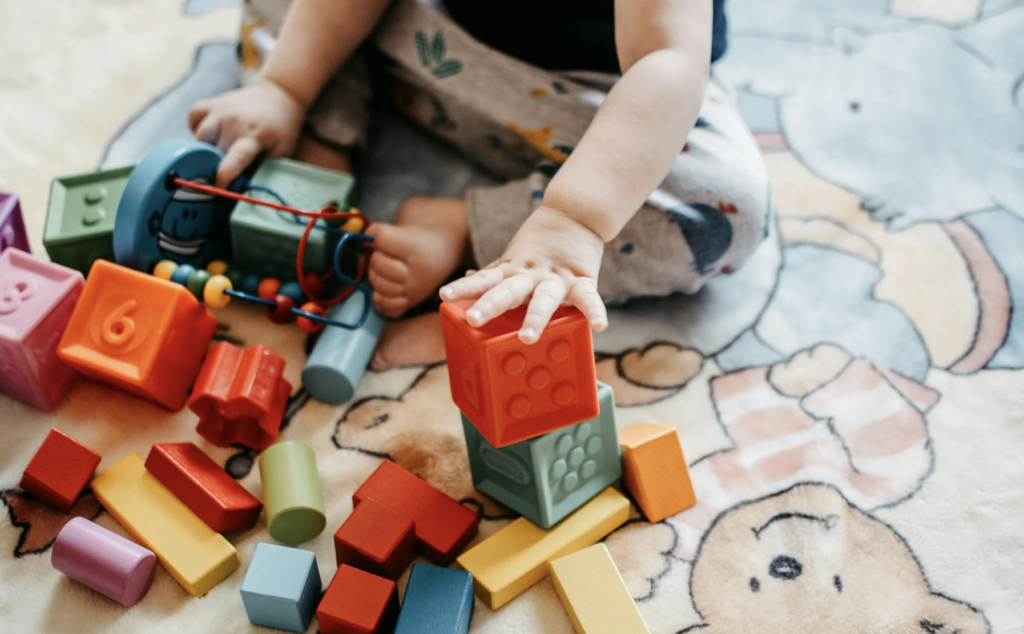
  • Play-Based Interaction: Activities are designed to be enjoyable and motivating, keeping your child engaged throughout the session.
  • Parent Involvement: You’ll likely participate, sharing insights about routines, motivators, and goals to help the therapist tailor the program.

Tips for a Smooth First Session

  • Bring Comfort Items: Favorite toys, blankets, or fidget items can help your child feel secure.
  • Prepare the Environment: Make sure the space is safe, calm, and free of distractions.
  • Stay Positive: Your attitude sets the tone. Approach the session with enthusiasm and reassurance.

The initial ABA session lays the groundwork for a customized, collaborative, and effective therapy plan, helping your child feel comfortable and setting the stage for successful learning.

autism therapy Omaha, ABA services Nebraska, Omaha autism support

Preparing Your Child for Their First ABA Session

Starting Applied Behavior Analysis (ABA) therapy can feel overwhelming for both children and parents. The key to a successful first session is fostering familiarity, reducing anxiety, and making the experience positive.

Key Preparation Strategies

  • Use Simple, Positive Language: Describe the visit as a “special playtime” or a chance to meet a new friend and learn fun games. Avoid technical terms like “therapy” to keep it low-stress.
  • Introduce the Therapist Ahead of Time: Show your child a photo or short video of the therapist to make meeting a new person less intimidating.
  • Establish a Routine: Visual schedules or social stories help your child understand what to expect during the session.
  • Bring Comfort Items: Let your child bring a favorite toy, blanket, or fidget item for security and reassurance.
  • Practice at Home: Role-play simple activities, like taking turns or sitting for short 5-minute tasks, to familiarize them with session routines.
  • Prepare Yourself: Keep the morning calm and avoid emotional goodbyes, which can heighten anxiety.
  • Ensure Comfort: Dress your child in comfortable clothes, provide a proper meal, and ensure they are well-rested.

During and After the Session

  • Let Them Lead: Encourage your child to share their experience at their own pace instead of questioning them immediately.
  • Reinforce Positively: Speak about the session in an upbeat way to build excitement for future visits.
  • Communicate with the Team: Share insights about your child’s likes, dislikes, and routines with the BCBA (Board Certified Behavior Analyst) to help tailor the therapy.
autism therapy Omaha, ABA services Nebraska, Omaha autism support

Benefits of ABA Therapy

  1. Enhanced Communication: Supports verbal, non-verbal, and assistive communication.
  2. Improved Social Skills: Teaches sharing, turn-taking, and reading social cues.
  3. Increased Independence: Develops daily living skills like dressing and brushing teeth.
  4. Reduction of Challenging Behaviors: Identifies triggers and replaces harmful behaviors with positive alternatives.
  5. Improved Academic Skills: Enhances focus, memory, and task completion.
  6. Long-Term Positive Outcomes: Early and consistent intervention can produce significant developmental gains.

ABA therapy is highly flexible, providing individualized instruction in home, school, and community settings, making it an ideal solution for families seeking Omaha autism support or ABA services in Nebraska.

Find ABA Therapy Near You in Omaha

For families searching for autism therapy in Omaha or ABA services in Nebraska, Heartwise Support offers guidance on the process, insurance navigation, and connecting with qualified providers. Our team can help you find the right program for your child’s needs.

Contact us today.

autism therapy Omaha, ABA services Nebraska, Omaha autism support

Frequently Asked Questions About ABA Therapy

1. What is ABA therapy, and how does it work?

ABA (Applied Behavior Analysis) is an evidence-based approach that helps children with autism and developmental delays learn functional skills. Therapists analyze what happens before (antecedent) and after (consequence) a behavior to teach positive skills, improve communication, and reduce challenging behaviors.

2. Who can benefit from ABA therapy?

While ABA primarily supports children with Autism Spectrum Disorder (ASD), it also benefits individuals with developmental delays, ADHD, learning disabilities, and adults with autism who want to improve social, communication, or vocational skills.

3. What age is ABA therapy most effective?

ABA is particularly effective for children ages 2 to 6, but therapy can be adapted for older children, teens, and adults depending on their individual needs.

4. What should I expect during the first ABA session?

The first session focuses on building rapport, observing your child, and identifying their strengths and motivators. It is low-pressure, play-based, and designed to make your child feel comfortable while the therapist collects important data for a personalized plan.

5. How can I prepare my child for their first session?

Use simple, positive language to explain the visit, introduce the therapist ahead of time (photo or video), bring comfort items, practice short role-play activities at home, and maintain a calm morning routine.

6. How are ABA therapy programs personalized?

Each program is tailored to the child’s unique needs, abilities, and interests. Therapists (BCBAs and RBTs) create individualized goals, use motivating activities, and adjust techniques based on data collected during sessions.

7. How long do ABA sessions usually last?

Session length and frequency vary depending on your child’s needs. Some children start with a few hours per week, while others in intensive programs may receive 15–40 hours weekly. Your BCBA will recommend the most effective dosage.

8. How do I find ABA therapy in Omaha or Nebraska?

Families can connect with us who help find programs, navigate insurance, and ensure therapy aligns with your child’s goals.

Related Posts

Autism Therapy Utah: Find Trusted ABA Providers in Salt Lake City & Autism Services Across UT

General

Key Points:

  • Personalized, Evidence-Based Support: ABA therapy helps children with autism and developmental delays develop communication, social, and daily living skills through structured, individualized programs.
  • Early Intervention Matters: Children ages 2–6 benefit most from ABA, but therapy can support individuals of all ages, helping reduce challenging behaviors and improve independence.
  • Family Involvement is Crucial: Parents and caregivers play a key role in reinforcing skills, providing insights to therapists, and creating a positive, consistent environment for lasting progress.
autism therapy Utah, ABA provider Salt Lake City, autism services UT

What Is ABA Therapy?

Applied Behavior Analysis (ABA) therapy is a structured, evidence-based approach that helps children with Autism Spectrum Disorder (ASD) and other developmental delays build essential skills. ABA analyzes what happens before (antecedent) and after (consequence) a behavior, enabling therapists to teach functional skills, improve communication, and reduce challenging behaviors.

ABA primarily benefits children ages 2–6 but also supports individuals with developmental delays, ADHD, and learning disabilities. Modern ABA has shifted from rigid, sit-down tasks to naturalistic, play-based approaches, focusing on the principle that behavior is learned and positive behaviors can be taught through personalized, structured programs.

Who Can Benefit from ABA Therapy

Primary Beneficiaries:

  • Children with Autism (ASD): Improves verbal and nonverbal communication, social interactions, and daily living skills.
  • Individuals with Developmental Delays or ADHD: Supports attention, learning, and behavioral challenges.
  • Families and Caregivers: Training reduces stress, improves routines, and helps reinforce skills.
  • Adults with Autism: Develop vocational, social, and life skills.

Signs Your Child May Benefit from ABA Therapy:

  • Limited speech or echolalia
  • Poor eye contact or difficulty sharing
  • Frequent tantrums, aggression, or self-injury
  • Challenges with self-care (dressing, feeding, potty training)
  • Repetitive behaviors (hand flapping, rocking, intense fixations)
  • Difficulty following instructions or transitioning between activities

Early recognition helps families access ABA therapy to support communication, independence, and emotional regulation, setting the stage for long-term success.

autism therapy Utah, ABA provider Salt Lake City, autism services UT

Key Aspects of ABA Therapy

Goals:

  • Increase positive behaviors and social skills
  • Reduce behaviors that interfere with learning or daily life

Techniques:

  • Positive reinforcement to encourage desirable behavior
  • Breaking complex skills into small, achievable steps
  • Play-based learning that naturally engages the child

Personalization: Programs are tailored to a child’s needs, abilities, and interests for effective, engaging therapy.

Skills ABA Therapy Addresses

  • Communication: Verbal, non-verbal, and functional communication
  • Social Skills: Eye contact, turn-taking, and social interaction
  • Daily Living Skills: Dressing, brushing teeth, eating independently

Types of ABA Therapy

  • Discrete Trial Training (DTT): Structured, one-on-one skill-building
  • Natural Environment Training (NET): Play-based, child-led learning in real-life settings
  • Early Intensive Behavioral Intervention (EIBI): 20–40 hours/week for young children
  • Pivotal Response Training (PRT): Targets motivation, self-initiation, and responsiveness
  • Verbal Behavior (VB) Therapy: Functional language development
  • Early Start Denver Model (ESDM): Hybrid, play-based approach for toddlers
  • Picture Exchange Communication System (PECS): Teaches functional communication for children with limited verbal skills
autism therapy Utah, ABA provider Salt Lake City, autism services UT

ABA Therapy Settings

ABA therapy is flexible and can take place in multiple environments:

  • At Home: Familiar surroundings support daily routines
  • In-Clinic Centers: Structured, distraction-free settings for focused skill-building
  • At School: Supports social inclusion, peer interaction, and academics
  • In the Community: Generalizes skills in real-world settings
  • Telehealth: Remote parent coaching and guidance

Comprehensive programs often blend methods and settings—for example, teaching a new skill via DTT in the clinic, then applying NET at home to reinforce it.

ABA Therapy in Action

  • Positive Reinforcement: Teaching a child to request a toy using a picture card or words instead of screaming, then immediately providing the item.
  • Discrete Trial Training (DTT): Breaking tasks like brushing teeth into small steps.
  • Modeling: Demonstrating social behaviors for the child to imitate.
  • Token Economies: Earning tokens for positive behaviors to exchange for rewards.
  • Prompting: Using verbal, visual, or physical cues and gradually fading them to encourage independence.

These strategies help increase positive behaviors, communication, and social skills, particularly for children with autism.

What to Expect in Your Child’s First ABA Therapy Session

The first session is low-pressure and focuses on building trust. Key elements include:

  • Rapport Building: Playful engagement to create a safe relationship
  • Observation & Assessment: Understanding communication, preferences, and behavior
  • Data Collection: Documenting current skills and strengths
  • Play-Based Interaction: Activities to keep your child engaged
  • Parent Involvement: Sharing insights to help personalize the plan

Tips for a Smooth First Session:

  • Bring comfort items (toys, blankets, fidgets)
  • Prepare a calm, safe environment
  • Stay positive and encouraging
autism therapy Utah, ABA provider Salt Lake City, autism services UT

Preparing Your Child for ABA

  • Use simple, positive language: call it “special playtime.”
  • Introduce the therapist ahead of time (photo/video)
  • Establish a visual schedule or social story
  • Practice short role-play activities at home
  • Keep mornings calm and avoid emotional goodbyes
  • Ensure comfort with proper clothes, meals, and rest

During and after the session, let your child lead, reinforce positively, and communicate observations to the BCBA.

Benefits of ABA Therapy

  • Enhanced Communication: Verbal, non-verbal, and assistive communication
  • Improved Social Skills: Sharing, turn-taking, and reading social cues
  • Increased Independence: Daily living skills like dressing and brushing teeth
  • Reduction of Challenging Behaviors: Replaces harmful behaviors with positive alternatives
  • Improved Academic Skills: Focus, memory, and task completion
  • Long-Term Positive Outcomes: Early, consistent intervention supports lasting developmental gains

Accessing ABA Therapy in Utah

Families in Utah can follow these steps to access autism therapy in Utah and find an ABA provider in Salt Lake City:

  1. Obtain a Formal Diagnosis: ASD diagnosis from a pediatrician, psychologist, or neurologist
  2. Contact ABA Providers & Verify Insurance: Confirm local providers and insurance benefits
  3. Initial Consultation & Intake: Discuss your child’s history, needs, and goals
  4. Functional Behavior Assessment (FBA): BCBA observes to identify skill gaps
  5. Treatment Plan Development: Personalized goals and strategies
  6. Insurance Authorization: Submit the plan for approval
  7. Begin Therapy: Sessions typically start one-on-one with RBT support

Tip: The first session emphasizes rapport, observation, and motivators rather than intensive skill-building.

What Utah Families Should Know

  • Local Resources: Access providers through organizations like Heartwise Support to navigate insurance and find qualified BCBAs and RBTs.
  • State Insurance Policies: Utah Medicaid and private insurers may cover ABA therapy if medically necessary. Confirm coverage with each provider.
  • Community Programs: Schools, clinics, and community centers often partner with ABA providers.
  • Telehealth Options: Remote parent coaching is available for families in rural areas.
  • Parent Training is Key: Caregiver involvement ensures ABA skills generalize to home and community.
autism therapy Utah, ABA provider Salt Lake City, autism services UT

Frequently Asked Questions About ABA Therapy

  1. What is ABA therapy, and how does it work?

ABA teaches functional skills, improves communication, and reduces challenging behaviors by analyzing antecedents and consequences.

  1. Who can benefit from ABA therapy?

Children with ASD, developmental delays, ADHD, learning disabilities, and adults with autism seeking social, communication, or vocational skill support.

  1. What age is ABA therapy most effective?

Most effective for ages 2–6, but adaptable for older children, teens, and adults.

  1. What should I expect during the first session?

Rapport building, observation, data collection, play-based activities, and parent involvement to guide personalization.

  1. How can I prepare my child for their first session?

Use simple language, introduce the therapist, bring comfort items, establish routines, and practice role-play at home.

  1. How are ABA therapy programs personalized?

Programs are tailored to the child’s unique needs, interests, and skill levels, with goals adjusted based on session data.

  1. How long do ABA sessions usually last?

Sessions vary from a few hours per week to 15–40 hours in intensive programs. Your BCBA recommends the dosage.

  1. How do I find ABA therapy in Utah?

Connect with local providers through organizations like Heartwise Support, which guide families on insurance, programs, and therapy alignment.

Find ABA Therapy Near You in Utah

For families seeking autism therapy in Utah, ABA providers in Salt Lake City, or autism services in UT, we can help navigate insurance, connect with qualified providers, and guide you through the therapy process.

Contact us today to get started.

autism therapy Utah, ABA provider Salt Lake City, autism services UT

Frequently Asked Questions About ABA Therapy in Utah

  1. What is ABA therapy, and how does it work?

Applied Behavior Analysis (ABA) is an evidence-based approach that teaches functional skills, improves communication, and reduces challenging behaviors by analyzing what happens before (antecedents) and after (consequences) a behavior.

  1. Who can benefit from ABA therapy?

ABA therapy helps children with Autism Spectrum Disorder (ASD), developmental delays, ADHD, and learning disabilities. Adults with autism can also benefit from support in social, communication, and daily living skills.

  1. At what age is ABA therapy most effective?

ABA therapy is most effective when started early, typically between ages 2–6, but programs are adaptable for older children, teens, and adults.

  1. How should I prepare my child for their first session?

Introduce the therapist in advance, use simple language, bring comfort items, establish routines, and practice role-play activities at home to make the session feel like “special playtime.”

  1. What happens during the first ABA session?

The first session focuses on building rapport, observing behaviors and preferences, collecting baseline data, and engaging in play-based activities while involving parents to guide personalization.

  1. How are ABA programs personalized?

Each program is tailored to a child’s abilities, interests, and needs. Goals are individualized, and strategies are adjusted based on ongoing session data to maximize engagement and skill growth.

  1. How long do ABA sessions last?

Session length varies depending on the child’s needs and program intensity. Some children start with a few hours per week, while intensive programs may require 15–40 hours weekly.

  1. How do I find ABA therapy in Utah?

Families can locate ABA providers in Salt Lake City and across Utah by contacting organizations like Heartwise Support, checking insurance coverage, or scheduling consultations with qualified BCBAs and RBTs.

Related Posts

What are the benefits of ABA Therapy?

General

Applied Behavior Analysis (ABA) therapy is widely recognized as one of the most effective interventions for individuals with autism spectrum disorder (ASD). This evidence-based approach focuses on understanding and improving behaviors to promote meaningful and positive outcomes. Let’s explore the profound benefits of ABA therapy and how it can transform the lives of individuals with ASD.

Enhancing Communication Skills

One of the primary goals of ABA therapy is to enhance communication skills for individuals with autism. Through structured interventions and techniques, ABA therapists help individuals develop and improve their ability to communicate effectively. This may include teaching verbal language, using augmentative and alternative communication (AAC) devices, or implementing sign language. By targeting communication challenges early and consistently, ABA therapy lays the foundation for improved social interaction and meaningful connections.

Improving Social Skills

Individuals with autism often face challenges in social interaction and understanding social cues. ABA therapy incorporates strategies to improve social skills, such as turn-taking, sharing, and understanding emotions. By breaking down social behaviors into manageable steps and providing positive reinforcement, ABA therapists help individuals with ASD navigate social situations with greater confidence and success. Improved social skills contribute to enhanced relationships, increased peer acceptance, and greater participation in social activities.

Addressing Challenging Behaviors

Many individuals with autism exhibit challenging behaviors, such as aggression, self-injury, or repetitive actions. ABA therapy employs behavioral techniques to identify the underlying causes of these behaviors and develop effective interventions to address them. By teaching alternative behaviors and providing strategies for managing emotions and stress, ABA therapy helps reduce the frequency and intensity of challenging behaviors. This not only improves the individual’s quality of life but also enhances their ability to participate in various settings, including home, school, and community.

Promoting Independence and Daily Living Skills

ABA therapy aims to promote independence and teach essential daily living skills to individuals with autism. This may include tasks such as personal hygiene, dressing, meal preparation, and household chores. ABA therapists use systematic instruction and positive reinforcement to teach these skills in a structured and supportive environment. By empowering individuals to master daily living tasks, ABA therapy enhances their self-confidence, autonomy, and overall quality of life.

Tailored Interventions for Individual Needs

One of the key strengths of ABA therapy is its flexibility and adaptability to meet the unique needs of each individual with autism. ABA programs are highly individualized, with interventions tailored to address specific strengths, challenges, and goals. Whether focusing on communication, social skills, behavior management, or daily living skills, ABA therapists customize interventions to maximize effectiveness and promote meaningful progress. This personalized approach ensures that each individual receives the support they need to thrive.

Unlocking Potential with ABA Therapy

Applied Behavior Analysis (ABA) therapy offers a wealth of benefits for individuals with autism spectrum disorder (ASD), empowering them to reach their full potential and lead fulfilling lives. From enhancing communication and social skills to addressing challenging behaviors and promoting independence, ABA therapy has a transformative impact on individuals with ASD and their families. Heartwise Support is committed to providing compassionate and effective ABA therapy tailored to the unique needs of each child, helping them unlock their potential and thrive in all aspects of life.

Contact Us to Learn More

At Heartwise Support, we recognize the importance of supporting the entire family unit and are dedicated to providing guidance and resources to ensure every member feels valued and supported on their journey. Together, we strive to create communities where children with ASD and their families thrive and flourish, celebrating the unique bonds and experiences that enrich our lives. 

Give your child the gift of success with Heartwise Support. Schedule your initial consultation today and discover how we can support your entire family on this journey towards growth and possibility.

Join our mailing list.

Subscribe below to receive news and updates about our specialized services, new offerings, helpful resources, and events!

Please enable JavaScript in your browser to complete this form.

Related Posts

Inclusive Family Gatherings: 8 Tips for Supporting Children with ASD

General

Family gatherings are special occasions where loved ones, friends, and family come together to celebrate and create lasting memories. However, for families with children on the autism spectrum, these events can present unique challenges. With some careful planning and understanding, it’s possible to ensure that every member of the family feels included and comfortable. Here are eight tips to help make family gatherings enjoyable for children with ASD:

1. Prepare in Advance

Before the gathering, communicate with your child about what to expect. Use visual aids, social stories, or role-playing to help them understand the schedule and activities planned for the day. Familiarize them with the location and any potential sensory triggers they might encounter.

2. Create a Safe Space

Designate a quiet, calm space where your child can retreat if they become overwhelmed or overstimulated. This area can serve as a sanctuary where they can relax and decompress away from the noise and crowds.

3. Stick to Routines

Maintaining familiar routines can provide a sense of security for children with ASD. Try to keep meal times, bedtime, and other daily rituals consistent, even during family gatherings. Having a predictable schedule can help reduce anxiety and meltdowns.

4. Communicate with Relatives

Educate relatives about your child’s ASD and any specific needs or preferences they may have. Provide simple instructions on how best to interact with your child, such as speaking calmly, giving them space when needed, and avoiding sudden loud noises.

5. Offer Sensory-Friendly Activities

Include sensory-friendly activities that cater to your child’s preferences and sensitivities. Offer options such as arts and crafts, sensory bins, or outdoor games that allow for movement and exploration in a controlled environment.

6. Prepare Special Foods

Consider dietary restrictions or preferences when planning the menu for the gathering. Offer a range of options, including gluten-free, dairy-free, or allergen-friendly alternatives, to accommodate your child’s needs. Ensure that there are familiar foods available to help them feel comfortable and included.

7. Set Clear Expectations

Communicate clear expectations with your child before the gathering, such as how to greet guests, take turns in conversations, and participate in activities. Use visual cues or social stories to reinforce these expectations and help your child understand their role during the event.

8. Focus on Quality Time

Above all, prioritize quality time and connection with your child during the gathering. Focus on activities that they enjoy and feel comfortable participating in, whether it’s reading a book together, playing a game, or simply snuggling on the couch. Cherish these moments and celebrate your child’s unique strengths and abilities.

By implementing these tips, you can help create a supportive and inclusive environment where children with ASD can fully participate and enjoy gatherings with family and friends. Remember to be patient, flexible, and understanding, and most importantly, cherish the time spent together as a family.

Contact Us to Learn More

At Heartwise Support, we recognize the importance of supporting the entire family unit and are dedicated to providing guidance and resources to ensure every member feels valued and supported on their journey. Together, we strive to create communities where children with ASD and their families thrive and flourish, celebrating the unique bonds and experiences that enrich our lives. 

Give your child the gift of success with Heartwise Support. Schedule your initial consultation today and discover how we can support your entire family on this journey towards growth and possibility.

Join our mailing list.

Subscribe below to receive news and updates about our specialized services, new offerings, helpful resources, and events!

Please enable JavaScript in your browser to complete this form.

Related Posts

Supporting Siblings of Autistic Children: 5 Compassionate Strategies

General

Having a sibling with autism can be both rewarding and challenging for children. While it fosters unique bonds and experiences, it also comes with its own set of demands and adjustments. As parents and caregivers, it’s crucial to provide support not only to the child with autism but also to their siblings. Here are five compassionate strategies to support siblings of autistic children:

1. Foster Understanding and Communication

Encourage open and honest communication within the family about autism and its impact. Provide age-appropriate explanations to siblings about their brother or sister’s behaviors and challenges. This helps foster understanding and empathy, allowing siblings to feel more connected and involved in their sibling’s journey.

2. Dedicate One-on-One Time

Make time for individual attention with each sibling, both with and without autism. Plan activities that cater to their interests and allow for meaningful interaction. This dedicated one-on-one time helps siblings feel valued and strengthens their relationship with both parents and each other.

3. Provide Emotional Support

Validate the feelings and experiences of siblings by creating a safe space for them to express themselves. Listen attentively to their concerns, fears, and frustrations, and offer reassurance and encouragement. Let them know that it’s okay to have mixed emotions and that they’re not alone in navigating the challenges of having a sibling with autism.

4. Educate and Involve Them in Care

Involve siblings in their brother or sister’s care whenever possible. Offer opportunities for them to learn about autism, its characteristics, and the strategies used to support their sibling. Encourage them to participate in therapy sessions, educational activities, and daily routines, fostering a sense of involvement and empowerment.

5. Establish Support Networks

Connect siblings with support networks and resources specifically tailored to their needs. This could include support groups, online forums, or recreational activities designed for siblings of autistic children. These networks provide a sense of community, understanding, and validation, allowing siblings to share their experiences and learn from others in similar situations.

Supporting siblings of autistic children is a vital aspect of fostering a nurturing and inclusive family environment. By fostering understanding, providing individualized attention, offering emotional support, involving siblings in care, and connecting them with support networks, we can empower siblings to navigate the complexities of having a brother or sister with autism with compassion and resilience. 

Contact Us to Learn More

At Heartwise Support, we recognize the importance of supporting the entire family unit and are dedicated to providing guidance and resources to ensure every member feels valued and supported on their journey. Together, we strive to create communities where children with ASD and their families thrive and flourish, celebrating the unique bonds and experiences that enrich our lives. 

Give your child the gift of success with Heartwise Support. Schedule your initial consultation today and discover how we can support your entire family on this journey towards growth and possibility.
Join our mailing list.

Subscribe below to receive news and updates about our specialized services, new offerings, helpful resources, and events!

Please enable JavaScript in your browser to complete this form.

Related Posts

Exploring the Spectrum: Key Facts about Autism

General

Autism spectrum disorder (ASD) is a complex neurodevelopmental condition that affects individuals in various ways. From differences in communication and social interaction to unique strengths and challenges, the spectrum encompasses a broad range of experiences. In this article, we’ll explore some fascinating facts about autism to deepen our understanding of this diverse condition.

1. The Spectrum is Vast and Diverse

Autism is often referred to as a spectrum because it encompasses a wide range of characteristics and behaviors. While some individuals may have significant impairments in communication and social interaction, others may exhibit milder symptoms or have exceptional abilities in certain areas. This diversity highlights the uniqueness of each person with autism.

2. Early Intervention is Key

Early intervention can make a significant difference in the lives of children with autism. Research has shown that starting therapy and support services as early as possible can lead to improved outcomes in communication, behavior, and overall development. Recognizing the signs of autism and seeking intervention promptly is crucial for maximizing a child’s potential.

3. Autism is More Common Than You Might Think

Autism is more prevalent than many people realize. According to the Centers for Disease Control and Prevention (CDC), approximately 1 in 54 children in the United States is diagnosed with autism. This prevalence underscores the importance of raising awareness and understanding of autism within communities and providing support for individuals and families affected by the condition.

4. Sensory Sensitivities are Common

Many individuals with autism experience sensory sensitivities, which can include heightened sensitivity to sounds, sights, textures, and smells. These sensitivities can vary widely from person to person and may impact daily functioning and participation in activities. Understanding and accommodating sensory needs is essential for creating supportive environments for individuals with autism.

5. Autism is Lifelong

Autism is a lifelong condition, and individuals with autism continue to grow and develop throughout their lives. While early intervention and support services can greatly enhance outcomes, autism is not something that can be outgrown or cured. Embracing neurodiversity and supporting individuals with autism across the lifespan is crucial for promoting acceptance and inclusion.

6. Each Person with Autism is Unique

It’s important to recognize that each person with autism is unique, with their own strengths, challenges, interests, and abilities. While some individuals may excel in areas such as mathematics, music, or art, others may face difficulties in social situations or communication. Celebrating these differences and embracing the strengths of individuals with autism enriches our communities and fosters a more inclusive society.

7. Families Play a Vital Role

Families play a crucial role in supporting individuals with autism. From advocating for their needs and accessing services to providing love, encouragement, and acceptance, families are instrumental in helping individuals with autism thrive. Building strong support networks and connecting with other families affected by autism can provide valuable resources and emotional support.

8. Acceptance and Inclusion Matter

Acceptance and inclusion are essential for individuals with autism to lead fulfilling lives. By promoting understanding, empathy, and respect for neurodiversity, we can create communities where everyone feels valued and included. Celebrating the unique talents and contributions of individuals with autism enriches our society and creates a more compassionate world for all.

Autism is a complex and diverse condition that requires understanding, acceptance, and support from individuals, families, and communities. By learning more about autism and embracing the strengths and abilities of individuals on the spectrum, we can create a more inclusive and supportive environment for everyone.

Contact Us to Learn More

At Heartwise Support, we recognize the importance of supporting the entire family unit and are dedicated to providing guidance and resources to ensure every member feels valued and supported on their journey. Together, we strive to create communities where children with ASD and their families thrive and flourish, celebrating the unique bonds and experiences that enrich our lives. 

Give your child the gift of success with Heartwise Support. Schedule your initial consultation today and discover how we can support your entire family on this journey towards growth and possibility.

Join our mailing list.

Subscribe below to receive news and updates about our specialized services, new offerings, helpful resources, and events!

Please enable JavaScript in your browser to complete this form.

Related Posts