

Articles

Inclusive Family Gatherings: 8 Tips for Supporting Children with ASD

General

Family gatherings are special occasions where loved ones, friends, and family come together to celebrate and create lasting memories. However, for families with children on the autism spectrum, these events can present unique challenges. With some careful planning and understanding, it’s possible to ensure that every member of the family feels included and comfortable. Here are eight tips to help make family gatherings enjoyable for children with ASD:

1. Prepare in Advance

Before the gathering, communicate with your child about what to expect. Use visual aids, social stories, or role-playing to help them understand the schedule and activities planned for the day. Familiarize them with the location and any potential sensory triggers they might encounter.

2. Create a Safe Space

Designate a quiet, calm space where your child can retreat if they become overwhelmed or overstimulated. This area can serve as a sanctuary where they can relax and decompress away from the noise and crowds.

3. Stick to Routines

Maintaining familiar routines can provide a sense of security for children with ASD. Try to keep meal times, bedtime, and other daily rituals consistent, even during family gatherings. Having a predictable schedule can help reduce anxiety and meltdowns.

4. Communicate with Relatives

Educate relatives about your child’s ASD and any specific needs or preferences they may have. Provide simple instructions on how best to interact with your child, such as speaking calmly, giving them space when needed, and avoiding sudden loud noises.

5. Offer Sensory-Friendly Activities

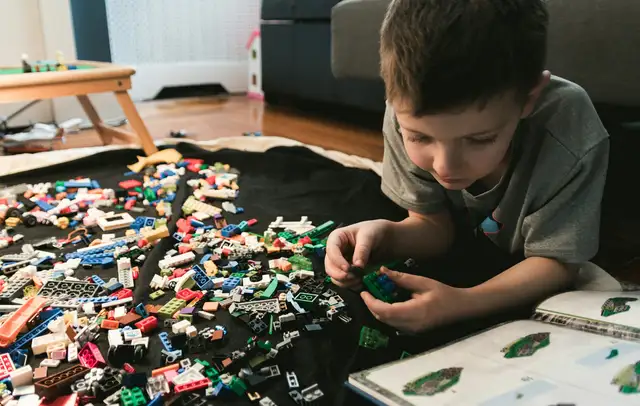
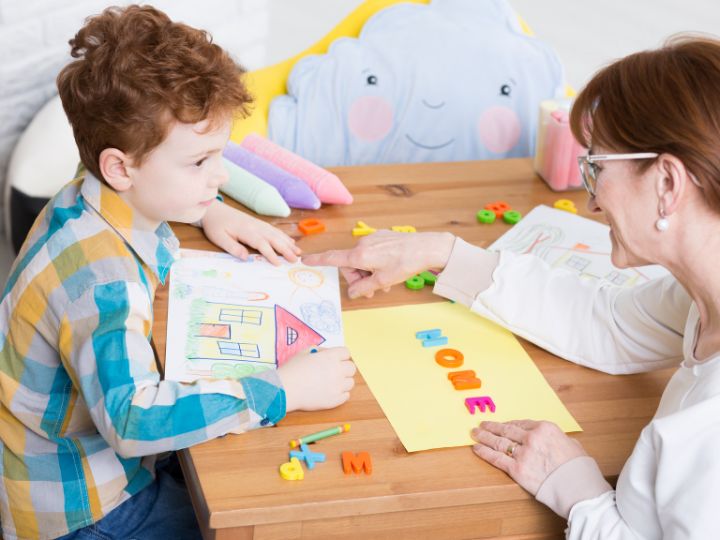
Include sensory-friendly activities that cater to your child’s preferences and sensitivities. Offer options such as arts and crafts, sensory bins, or outdoor games that allow for movement and exploration in a controlled environment.

6. Prepare Special Foods

Consider dietary restrictions or preferences when planning the menu for the gathering. Offer a range of options, including gluten-free, dairy-free, or allergen-friendly alternatives, to accommodate your child’s needs. Ensure that there are familiar foods available to help them feel comfortable and included.

7. Set Clear Expectations

Communicate clear expectations with your child before the gathering, such as how to greet guests, take turns in conversations, and participate in activities. Use visual cues or social stories to reinforce these expectations and help your child understand their role during the event.

8. Focus on Quality Time

Above all, prioritize quality time and connection with your child during the gathering. Focus on activities that they enjoy and feel comfortable participating in, whether it’s reading a book together, playing a game, or simply snuggling on the couch. Cherish these moments and celebrate your child’s unique strengths and abilities.

By implementing these tips, you can help create a supportive and inclusive environment where children with ASD can fully participate and enjoy gatherings with family and friends. Remember to be patient, flexible, and understanding, and most importantly, cherish the time spent together as a family.

Contact Us to Learn More

At Heartwise Support, we recognize the importance of supporting the entire family unit and are dedicated to providing guidance and resources to ensure every member feels valued and supported on their journey. Together, we strive to create communities where children with ASD and their families thrive and flourish, celebrating the unique bonds and experiences that enrich our lives. 

Give your child the gift of success with Heartwise Support. Schedule your initial consultation today and discover how we can support your entire family on this journey towards growth and possibility.

Join our mailing list.

Subscribe below to receive news and updates about our specialized services, new offerings, helpful resources, and events!

Related Posts

Supporting Siblings of Autistic Children: 5 Compassionate Strategies

General

Having a sibling with autism can be both rewarding and challenging for children. While it fosters unique bonds and experiences, it also comes with its own set of demands and adjustments. As parents and caregivers, it’s crucial to provide support not only to the child with autism but also to their siblings. Here are five compassionate strategies to support siblings of autistic children:

1. Foster Understanding and Communication

Encourage open and honest communication within the family about autism and its impact. Provide age-appropriate explanations to siblings about their brother or sister’s behaviors and challenges. This helps foster understanding and empathy, allowing siblings to feel more connected and involved in their sibling’s journey.

2. Dedicate One-on-One Time

Make time for individual attention with each sibling, both with and without autism. Plan activities that cater to their interests and allow for meaningful interaction. This dedicated one-on-one time helps siblings feel valued and strengthens their relationship with both parents and each other.

3. Provide Emotional Support

Validate the feelings and experiences of siblings by creating a safe space for them to express themselves. Listen attentively to their concerns, fears, and frustrations, and offer reassurance and encouragement. Let them know that it’s okay to have mixed emotions and that they’re not alone in navigating the challenges of having a sibling with autism.

4. Educate and Involve Them in Care

Involve siblings in their brother or sister’s care whenever possible. Offer opportunities for them to learn about autism, its characteristics, and the strategies used to support their sibling. Encourage them to participate in therapy sessions, educational activities, and daily routines, fostering a sense of involvement and empowerment.

5. Establish Support Networks

Connect siblings with support networks and resources specifically tailored to their needs. This could include support groups, online forums, or recreational activities designed for siblings of autistic children. These networks provide a sense of community, understanding, and validation, allowing siblings to share their experiences and learn from others in similar situations.

Supporting siblings of autistic children is a vital aspect of fostering a nurturing and inclusive family environment. By fostering understanding, providing individualized attention, offering emotional support, involving siblings in care, and connecting them with support networks, we can empower siblings to navigate the complexities of having a brother or sister with autism with compassion and resilience. 

Contact Us to Learn More

At Heartwise Support, we recognize the importance of supporting the entire family unit and are dedicated to providing guidance and resources to ensure every member feels valued and supported on their journey. Together, we strive to create communities where children with ASD and their families thrive and flourish, celebrating the unique bonds and experiences that enrich our lives. 

Give your child the gift of success with Heartwise Support. Schedule your initial consultation today and discover how we can support your entire family on this journey towards growth and possibility.

Join our mailing list.

Subscribe below to receive news and updates about our specialized services, new offerings, helpful resources, and events!

Related Posts

Exploring the Spectrum: Key Facts about Autism

General

Autism spectrum disorder (ASD) is a complex neurodevelopmental condition that affects individuals in various ways. From differences in communication and social interaction to unique strengths and challenges, the spectrum encompasses a broad range of experiences. In this article, we’ll explore some fascinating facts about autism to deepen our understanding of this diverse condition.

1. The Spectrum is Vast and Diverse

Autism is often referred to as a spectrum because it encompasses a wide range of characteristics and behaviors. While some individuals may have significant impairments in communication and social interaction, others may exhibit milder symptoms or have exceptional abilities in certain areas. This diversity highlights the uniqueness of each person with autism.

2. Early Intervention is Key

Early intervention can make a significant difference in the lives of children with autism. Research has shown that starting therapy and support services as early as possible can lead to improved outcomes in communication, behavior, and overall development. Recognizing the signs of autism and seeking intervention promptly is crucial for maximizing a child’s potential.

3. Autism is More Common Than You Might Think

Autism is more prevalent than many people realize. According to the Centers for Disease Control and Prevention (CDC), approximately 1 in 54 children in the United States is diagnosed with autism. This prevalence underscores the importance of raising awareness and understanding of autism within communities and providing support for individuals and families affected by the condition.

4. Sensory Sensitivities are Common

Many individuals with autism experience sensory sensitivities, which can include heightened sensitivity to sounds, sights, textures, and smells. These sensitivities can vary widely from person to person and may impact daily functioning and participation in activities. Understanding and accommodating sensory needs is essential for creating supportive environments for individuals with autism.

5. Autism is Lifelong

Autism is a lifelong condition, and individuals with autism continue to grow and develop throughout their lives. While early intervention and support services can greatly enhance outcomes, autism is not something that can be outgrown or cured. Embracing neurodiversity and supporting individuals with autism across the lifespan is crucial for promoting acceptance and inclusion.

6. Each Person with Autism is Unique

It’s important to recognize that each person with autism is unique, with their own strengths, challenges, interests, and abilities. While some individuals may excel in areas such as mathematics, music, or art, others may face difficulties in social situations or communication. Celebrating these differences and embracing the strengths of individuals with autism enriches our communities and fosters a more inclusive society.

7. Families Play a Vital Role

Families play a crucial role in supporting individuals with autism. From advocating for their needs and accessing services to providing love, encouragement, and acceptance, families are instrumental in helping individuals with autism thrive. Building strong support networks and connecting with other families affected by autism can provide valuable resources and emotional support.

8. Acceptance and Inclusion Matter

Acceptance and inclusion are essential for individuals with autism to lead fulfilling lives. By promoting understanding, empathy, and respect for neurodiversity, we can create communities where everyone feels valued and included. Celebrating the unique talents and contributions of individuals with autism enriches our society and creates a more compassionate world for all.

Autism is a complex and diverse condition that requires understanding, acceptance, and support from individuals, families, and communities. By learning more about autism and embracing the strengths and abilities of individuals on the spectrum, we can create a more inclusive and supportive environment for everyone.

Contact Us to Learn More

At Heartwise Support, we recognize the importance of supporting the entire family unit and are dedicated to providing guidance and resources to ensure every member feels valued and supported on their journey. Together, we strive to create communities where children with ASD and their families thrive and flourish, celebrating the unique bonds and experiences that enrich our lives. 

Give your child the gift of success with Heartwise Support. Schedule your initial consultation today and discover how we can support your entire family on this journey towards growth and possibility.

Join our mailing list.

Subscribe below to receive news and updates about our specialized services, new offerings, helpful resources, and events!
Related Posts