Key Points:
- Sensory-Friendly Spaces: Reduce overstimulation with calm, organized environments.
- Clear Communication & Structure: Use visual supports and predictable routines for inclusion.
- Skills & Independence: ABA therapy and inclusive practices help autistic individuals thrive.

Why Autistic Individuals Struggle with Inclusion
Research shows that autistic individuals often face challenges with accessibility and inclusion because most environments, schools, workplaces, and public spaces are designed for neurotypical sensory and social processing. Inclusion often fails not due to autism itself, but because of the interaction between autistic traits and unsupportive, rigid environments.
By intentionally designing spaces and practices around sensory-friendly environments, clear communication, and structured support, communities can promote belonging, independence, and well-being for autistic individuals.
- Sensory Overload and Environmental Challenges
- Many autistic people experience heightened or diminished sensitivity to lights, sounds, textures, and movement.
- Typical classrooms or workplaces are often noisy, brightly lit, or visually cluttered, triggering anxiety and fatigue.
- Limited control over environmental factors, like adjusting light or noise, can increase distress.
- Many autistic people experience heightened or diminished sensitivity to lights, sounds, textures, and movement.
- The Social “Double Empathy Problem”
- Communication differences exist between autistic and neurotypical individuals, creating mutual misunderstandings.
- Forcing autistic individuals to conform to neurotypical social norms (masking) often results in stress, anxiety, and burnout.
- Misinterpretation of social cues can lead to social exclusion, bullying, or rejection.
- Communication differences exist between autistic and neurotypical individuals, creating mutual misunderstandings.
- Systemic and Institutional Barriers
- Many educational, cultural, and workplace systems are not designed with neurodiversity in mind.
- Staff often lack training in autism, focusing on deficits rather than strengths.
- Rigid routines and inconsistent support make environments unpredictable and stressful.
- Many educational, cultural, and workplace systems are not designed with neurodiversity in mind.
- Limited Resources and Funding
- A shortage of trained aides, therapists, and support staff limits meaningful inclusion.
- Specialized therapy, equipment, and accommodations are often cost-prohibitive.
- A shortage of trained aides, therapists, and support staff limits meaningful inclusion.
- Stigma and Misconceptions
- Misinformation and harmful cultural beliefs fuel discrimination and isolation.
- Autistic individuals are more likely to experience bullying or harassment in social and school settings.
- Misinformation and harmful cultural beliefs fuel discrimination and isolation.

Core Strategies for Effective Inclusion
1. Environmental and Sensory Adjustments
- Quiet Zones: Designate calm spaces for sensory breaks. Use sound-absorbing materials or noise-canceling headphones.
- Adjust Lighting: Use dimmable lights, avoid flickering bulbs, and maximize natural light.
- Sensory Tools: Offer weighted blankets, fidgets, sunglasses, or other calming items.
2. Communication and Interaction Strategies
- Literal Language: Avoid idioms, metaphors, or sarcasm; speak clearly and directly.
- Visual Supports: Use schedules, timers, and checklists to facilitate transitions.
- Processing Time: Allow extra time (e.g., 10 seconds or more) for responses.
- Simplified Instructions: Ask one question at a time to reduce cognitive load.
3. Social and Community Inclusion
- Leverage Special Interests: Use personal passions as engagement tools.
- Predictable Routines: Provide advance notice of changes to schedules.
- Clear Social Rules: Explain expectations explicitly without forcing interaction or eye contact.
- Staff & Peer Training: Educate those around autistic individuals to foster supportive, non-judgmental environments.
4. Policy, Training, and Participation
- Inclusive Policies: Implement hiring, promotion, and service policies that accommodate neurodivergent needs.
- Staff Training: Educate employees on autism, neurodiversity, and unconscious bias.
- Collaborate with Autistic Individuals: Involve them in planning, policy design, and accessibility testing.
- Use Tools & Guides: Leverage resources such as the Autistic Self Advocacy Network for accessible events and spaces.
How ABA Therapy Supports Inclusion and Accessibility for Autistic Individuals
Applied Behavior Analysis (ABA) therapy promotes inclusion and accessibility by equipping autistic individuals and those with developmental disabilities with the social, communication, and functional skills needed to thrive in diverse environments. By teaching practical life skills, ABA fosters independence, enabling participation in school, community, and social settings.
Enhancing Social and Communication Skills
- Functional Communication: ABA helps individuals express their needs and desires through verbal communication or Augmentative and Alternative Communication (AAC) devices.
- Social Skills Development: Therapists use modeling, role-playing, and social stories to teach skills like turn-taking, initiating conversations, and interpreting social cues.
- Peer-Mediated Interventions: In schools, typically developing peers model appropriate behaviors, supporting friendships and a sense of belonging.
Facilitating Community and Social Inclusion
- Community-Based Instruction (CBI): Therapy is applied in real-world settings, such as parks, stores, and public transportation, to practice skills in natural environments.
- Managing Sensory Sensitivities: ABA teaches coping strategies to reduce anxiety in overstimulating environments.
- Daily Living Skills: Complex tasks like self-care and navigating public spaces are broken into manageable steps, fostering autonomy.
Promoting Inclusive Education
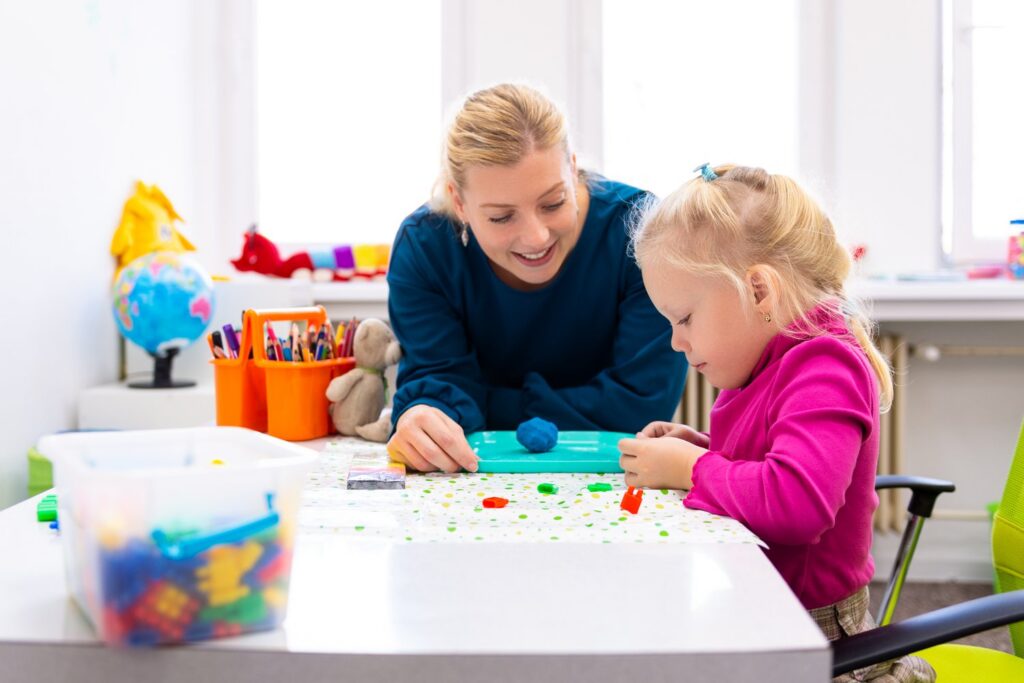
- Individualized Support: ABA professionals collaborate with educators to create Behavior Intervention Plans (BIPs) and Individualized Education Programs (IEPs) tailored to each student.
- Positive Reinforcement: Strategies like token economies encourage participation and reduce disruptive behaviors, making classrooms more accessible.
- Staff Training: Teachers and paraprofessionals receive ongoing training to implement ABA strategies effectively and consistently.
Increasing Accessibility Through Technology and Diversity
- Telehealth and Digital Tools: Remote ABA services expand access for families in rural or underserved areas and allow for real-time, data-driven adjustments.
- Culturally Responsive Practices: ABA integrates cultural and linguistic considerations to ensure therapy is relevant and inclusive for diverse populations.
Fostering Self-Advocacy
- Empowerment: ABA helps individuals identify their needs and advocate for themselves, such as requesting breaks when overwhelmed, promoting long-term independence.
By combining ABA therapy with sensory-friendly environments, structured routines, and inclusive policies, communities can create truly accessible and supportive spaces where autistic individuals thrive socially, academically, and in everyday life.

Benefits of Sensory-Friendly, Inclusive Environments
- Reduces stress, anxiety, and sensory overload
- Supports emotional and physical safety
- Encourages independence and self-regulation
- Promotes meaningful participation and belonging in community, school, and work
Creating accessible, inclusive, and sensory-friendly environments is not just an accommodation; it is essential for equity and empowerment. By combining environmental adjustments, communication strategies, social inclusion practices, and policy support, communities can ensure that autistic individuals thrive.
At Heartwise Support, we’re dedicated to creating inclusive, accessible, and empowering environments for autistic individuals and their families.
Contact us today to learn how we can provide tailored support, guidance, and resources to help your loved one thrive.

Frequently Asked Questions (FAQs)
1. What is a sensory-friendly environment, and why is it important for autistic individuals?
A sensory-friendly environment is designed to minimize overwhelming stimuli such as bright lights, loud noises, or cluttered spaces. These adjustments help autistic individuals regulate their emotions, reduce anxiety, and participate more comfortably in school, work, and community settings.
2. How does ABA therapy support inclusion for autistic individuals?
Applied Behavior Analysis (ABA) therapy teaches social, communication, and daily living skills, fostering independence and confidence. It also supports inclusion by helping individuals navigate real-world environments, interact with peers, and participate meaningfully in school and community activities.
3. What strategies can help reduce sensory overload in classrooms or workplaces?
Effective strategies include creating quiet zones, using dimmable or natural lighting, providing noise-canceling headphones, offering weighted blankets or fidget tools, and maintaining organized, clutter-free spaces. Predictable routines and visual supports also reduce stress.
4. How can schools and employers make their spaces more inclusive for autistic individuals?
Schools and workplaces can implement visual schedules, structured routines, flexible seating, staff training on neurodiversity, clear communication practices, and individualized accommodations. Involving autistic individuals in planning ensures their needs are met and respected.
5. What is the “Double Empathy Problem” and how does it affect inclusion?
The Double Empathy Problem refers to the mutual misunderstanding between autistic and neurotypical individuals due to differences in social communication. Inclusion fails when autistic individuals are expected to conform to neurotypical norms without support, which can lead to masking, stress, and social exclusion.
6. Can ABA therapy help autistic individuals with sensory sensitivities?
Yes. ABA therapists teach coping strategies to manage sensory sensitivities, such as gradual exposure to overstimulating environments, relaxation techniques, and structured sensory breaks, enabling individuals to participate more fully in everyday activities.
7. How can families access support for creating inclusive and sensory-friendly environments?
Families can contact us for guidance on environmental modifications, ABA therapy, structured routines, and inclusive strategies. Professionals provide personalized support and resources to help autistic individuals thrive at home, school, and in the community.