Key Points:
- Autism anxiety support is often needed alongside autism care because anxiety and stress commonly co-occur.
- Autism and emotional regulation differences can affect behaviour, learning, and relationships every day.
- Tailored supports led by our highly skilled clinicians in Nebraska can improve coping skills and emotional understanding over time.

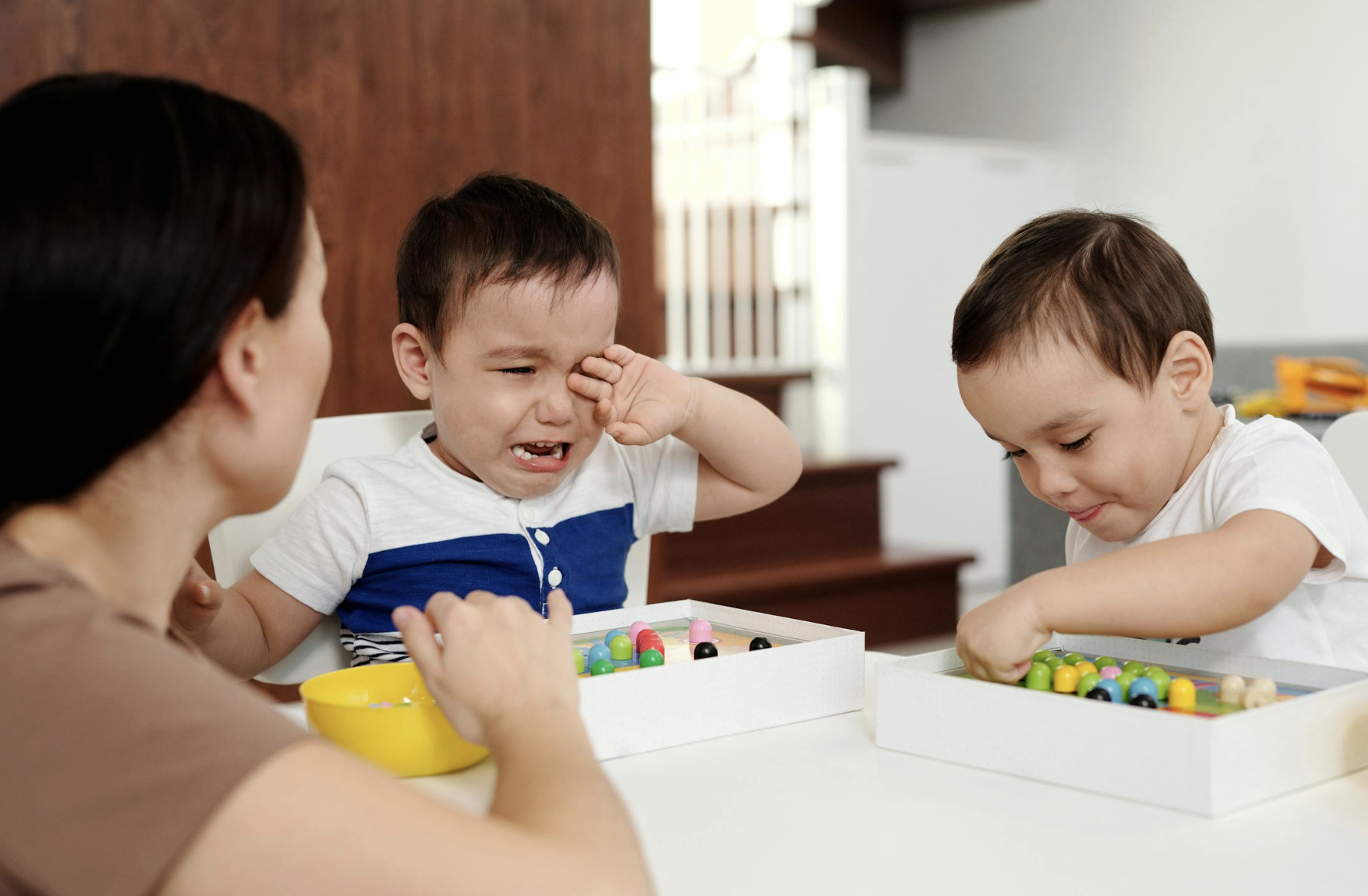
Many autistic children don’t say “I feel anxious” or “I’m overwhelmed,” but their behaviour often tells the story in other ways that can be easy to miss or misunderstand at first. What might look like defiance, withdrawal, or “acting out” is often distress that hasn’t yet found a clear way to come out.
Many autistic children need autism anxiety support alongside developmental care because mental health challenges are common. Conditions like anxiety and depression often appear differently in autistic individuals, which means they can be missed or misunderstood.
Instead of verbal worry, children may show distress through meltdowns, shutdowns, avoidance, or changes in behaviour. At Heartwise Support, this is why mental health therapy and autism support are never one-size-fits-all and are always adapted to meet each child’s individual needs.

Why autism anxiety support is important
Autistic children often experience the world in a way that feels intense, unpredictable, or overwhelming. This increases the need for autism anxiety support in daily life.
Common reasons anxiety develops include:
- Sensory overload in noisy, bright, or crowded environments
- Difficulty expressing needs, leading to frustration
- Social pressure at school or in group settings
- Masking behaviours that increase emotional exhaustion
For example, a child may seem calm at school but have frequent emotional outbursts at home. This often reflects hidden anxiety built up throughout the day.
Without autism anxiety support, these stress patterns can become more intense over time.
Autism and emotional regulation in daily life
Autism and emotional regulation challenges are a core part of many children’s experiences. Emotional regulation means managing feelings, stress, and reactions in different situations.
In autism, emotional regulation difficulties can look like:
- Strong emotional reactions to small changes in routine
- Meltdowns when overwhelmed or unable to communicate needs
- Shutdowns, where the child becomes quiet or withdrawn
- Difficulty calming down after becoming upset
Example: A child may become very distressed if a favourite routine changes unexpectedly. This is not “overreaction,” but a nervous system struggling to process change.
Building coping skills and autism support strategies is essential for helping children manage these experiences safely.

CBT for autism behavior and emotional support
CBT for autism behavior can be helpful when it is adapted for autistic thinking and communication styles. Traditional CBT focuses on thoughts and feelings, but autism-informed CBT uses more structured and concrete approaches.
Effective CBT for autism behavior often includes:
- Visual supports instead of abstract discussion
- Clear step-by-step thinking tools
- Concrete examples relevant to the child’s daily life
- More structured and predictable session formats
Example: Instead of asking a child to “reframe negative thoughts,” a therapist might use visual emotion charts to help the child identify feelings like worry, frustration, or fear.
When adapted properly, CBT for autism behavior can support both anxiety reduction and emotional understanding.
Autism, depression, support and emotional well-being
Autism depression support is important because depression can look different in autistic children. It does not always appear as sadness. Instead, it may show as:
- Loss of interest in favourite activities or special interests
- Increased irritability or emotional shutdown
- Changes in sleep, appetite, or energy levels
- Withdrawal from communication or engagement
Example: A child who suddenly stops engaging in a favourite activity may be showing early signs of emotional distress, not disinterest.
Mental health therapy and autism support can help identify these changes early and provide appropriate intervention.

Building coping skills, autism support strategies
Developing coping skills and autism support tools is essential for long-term emotional regulation. These skills help children manage stress before it becomes overwhelming.
Helpful strategies include:
- Visual schedules to increase predictability
- Sensory tools such as weighted items, movement breaks, or fidgets
- Emotion cards or charts for identifying feelings
- Structured calming routines for moments of overload
- Simple, consistent emotional language like “I need a break”
For example, a child who struggles with transitions may use a visual countdown timer to prepare for changes. This reduces anxiety and supports smoother transitions.
How ABA and mental health therapy autism support work together
When ABA and mental health therapy autism approaches are combined, children receive more complete support for both behaviour and emotions.
- ABA therapy can help build routines, communication skills, and daily coping strategies
- Mental health therapy for autism support focuses on emotional regulation and anxiety patterns
- Together, they strengthen coping skills and autism development across home, school, and therapy settings
Example:
- ABA helps a child learn to use a visual schedule during morning routines
- Mental health therapy helps the child understand feelings of anxiety during transitions
- Over time, the child learns to use both structure and emotional coping tools together
This combined approach strengthens autism and emotional regulation skills in a practical, real-world way.

Supporting families through autism, anxiety, and emotional regulation
Families are a key part of autism anxiety support and emotional development. Small changes at home can make a big difference:
- Keeping routines predictable and consistent
- Responding to behaviour as communication, not just action
- Using calm, simple language during emotional moments
- Working closely with therapists for consistency across environments
Mental health therapy combined with autism services at Heartwise Support
At Heartwise Support, we provide mental health therapy and autism services for children. This service is currently available to Nebraska families only.
We also offer ABA therapy and additional developmental supports, allowing families to access coordinated care that supports both behaviour and emotional well-being.
Finding the right support for your child in Nebraska
Every child’s experience with autism anxiety support, autism and emotional regulation, coping skills, and autism development is different. Progress takes time, consistency, and the right combination of strategies.
With the right support, including CBT for autism behavior, structured routines, and mental health therapy autism care, children can build stronger emotional understanding and more effective coping skills over time. Contact us today to schedule mental health support and ABA therapy in Nebraska.

FAQs
1. What is autism anxiety support, and why is it important?
Autism anxiety support helps children who experience anxiety that may not look typical, such as meltdowns, shutdowns, or avoidance instead of verbal worry. It is important because anxiety often co-occurs with autism and can impact daily routines, learning, and behaviour.
2. How do autism and emotional regulation affect behaviour?
Autism and emotional regulation differences can make it harder for children to manage strong feelings like frustration, fear, or overwhelm. This may lead to intense reactions, shutdowns, or difficulty calming down after stress, especially when routines change or demands increase.
3. Can CBT for autism behavior really help children?
Yes, CBT for autism behavior can be effective when it is adapted for autistic learning styles. This often includes visual tools, structured steps, and concrete examples instead of abstract discussion. It helps children understand emotions, reduce anxiety, and build coping skills over time.
4. What is autism depression support, and how does depression look in autism?
Autism depression support focuses on identifying and treating depression, which may not always appear as sadness. In autistic children, it can show up as irritability, withdrawal, loss of interest in special interests, changes in sleep, or reduced engagement.
5. What coping skills and autism strategies work best for children?
Effective coping skills for autism strategies include visual schedules, sensory tools, calming routines, emotion cards, and simple communication like “I need a break.” These tools help children manage overwhelm before it escalates into distress or meltdown.
6. How does mental health therapy for autism support work at Heartwise Support?
At Heartwise Support, mental health therapy and autism services are designed specifically for children and are currently available to Nebraska families only. Therapy is combined with ABA and other supports to help build emotional regulation, coping skills, and daily functioning in a coordinated way. Contact us to start mental health therapy: +1 402 266-6667.