Quick Summary:
- Social skills grow fastest when therapy connects to real community settings, not just a clinic room.
- Heartwise Support builds community engagement and autism goals directly into ABA plans for kids in Nebraska and Utah.
- Families see the biggest shifts when therapy strategies carry over into birthday parties, playgrounds, and classrooms.
Does your child sit alone at birthday parties while other kids play together?
Maybe playground invitations never come, or group activities end in frustration before they even start. Parents searching for community inclusion activities and autism programs are usually looking for something therapy sessions alone cannot always provide: a way for their child to belong somewhere outside the four walls of a clinic.
This is a gap many families run into. A child might make strong progress during one-on-one ABA sessions, then struggle the moment they step into a noisy classroom or a crowded park. Social skills built in isolation do not always transfer on their own. That gap is exactly what community engagement autism programs are designed to close.
Why Therapy Alone Sometimes Falls Short
Skills taught in a quiet room do not automatically show up in a loud gym or on a busy playground. A child can practice greetings, turn-taking, or sharing with a therapist for weeks and still freeze up around a group of unfamiliar peers. The setting matters as much as the skill itself.
At Heartwise Support, we treat community settings as part of the treatment plan, not an afterthought. Social skills programs autism families rely on work best when they stretch beyond the therapy room into places kids actually spend their time: school, sports, family gatherings, and neighborhood events.
How ABA Strategies Support Real-World Connection
ABA therapy gives us tools to build social skills step by step, then test them in situations that matter. Here is one example from our work. A child we supported would melt down anytime a group game involved waiting for a turn. His parents had stopped signing him up for anything involving other kids. Our team worked on turn-taking in shorter, low-pressure settings first, using a visual timer paired with immediate praise for waiting calmly. Once he built that skill, we practiced it during a small group activity with two peers before moving to a larger setting. Within a couple of months, he joined a neighborhood kickball game without a meltdown, something his parents had not expected to see that year.
This kind of gradual exposure, paired with reinforcement, tends to work better than pushing a child straight into a large group. Small wins build confidence, and confidence carries into bigger settings over time.

Community-Based Autism Programs in Practice
Community-based autism programs can take different forms depending on a child’s age and needs.
Some examples include:
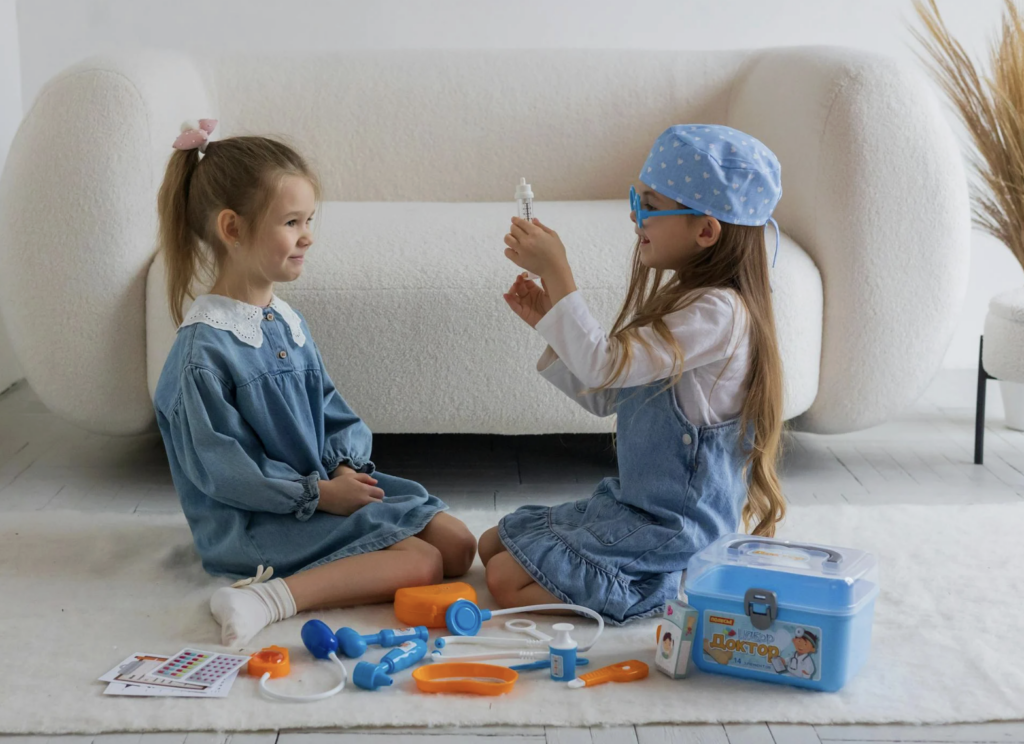
- Structured playdates with one or two peers, supported by a therapist
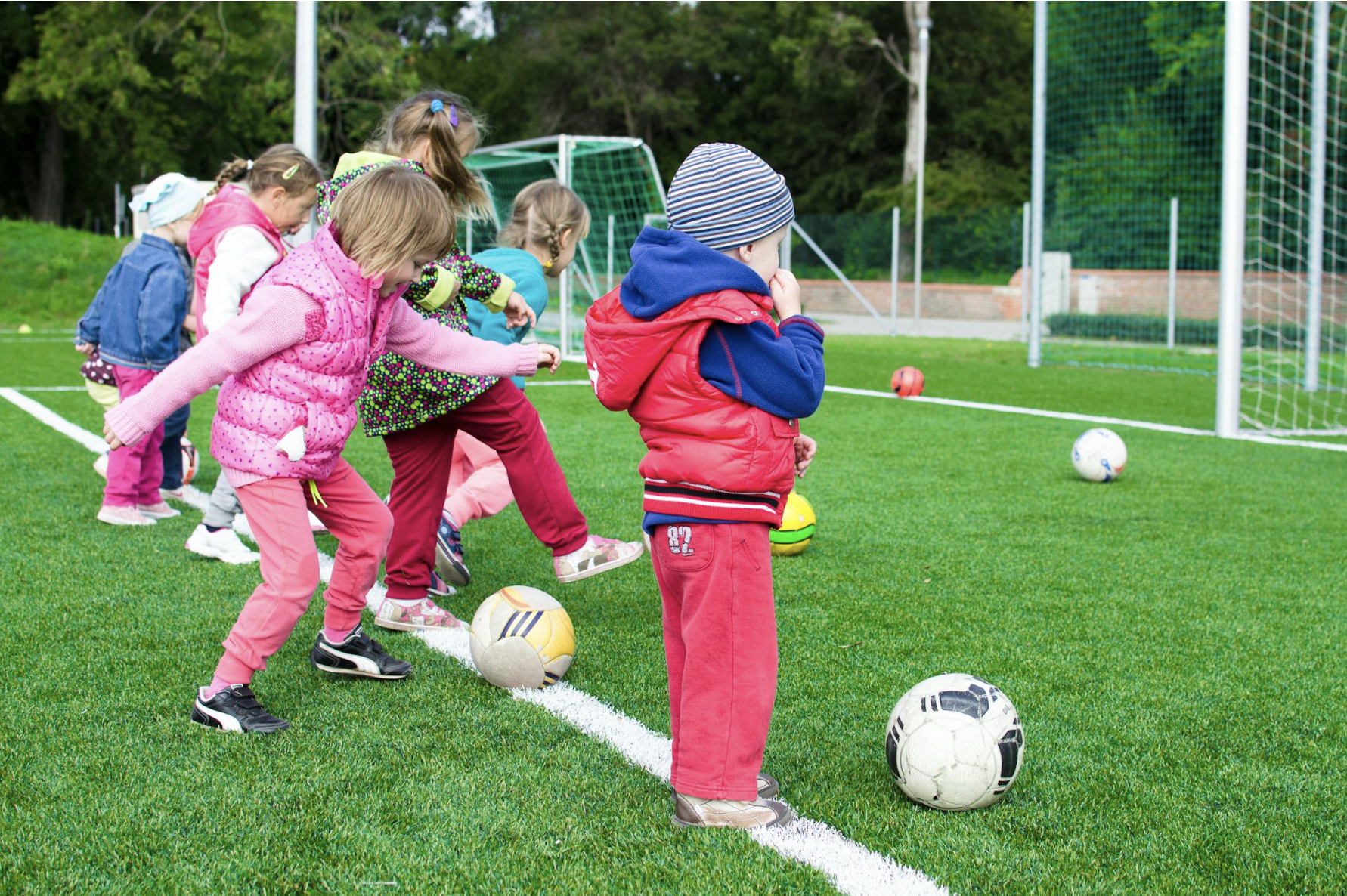
- Group outings to parks or community centers, focused on practicing specific social goals
- School shadowing, where a therapist helps a child navigate group instructions and peer interaction in the classroom
- Family events, where strategies used in therapy are practiced during real gatherings, not just simulated ones
We see the strongest results when families and therapists work as a team on these outings. Parents learn to prompt and reinforce the same way our team does, so progress does not stop when the session ends.
Building Peer Support and Belonging
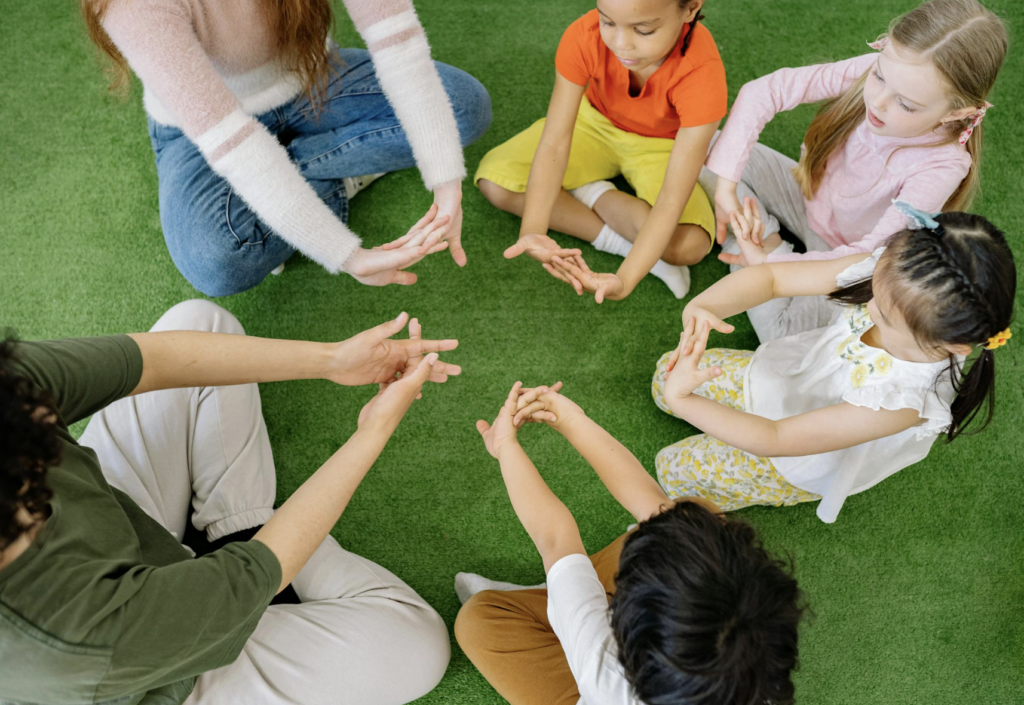
Autism social groups Nebraska families have access to give kids a chance to practice skills with peers who understand similar challenges. Group settings like this take pressure off children who feel like they always have to explain themselves. For families in Utah, autism peer support Utah programs work the same way, giving kids a low-stakes space to build friendships at their own pace.
We have watched shy, withdrawn children slowly become the ones initiating a game with a peer, something that rarely happens without consistent practice in a supportive group. The social connection autism therapy provides is not just about learning a skill. It is about a child discovering they can be part of something.
Bringing Other Services Into the Picture
Community engagement often overlaps with other areas of development. A child working on motor skills through physical therapy may need extra confidence before joining a group sport. A child building communication through speech therapy may need support finding the right words during a group conversation. Sensory challenges addressed through occupational therapy can make a loud, crowded event far more manageable.
Our ABA therapy teams in Nebraska and Utah coordinate with these other services so a child’s social goals fit into their broader plan, not off to the side.
A Family-Centered Approach to Community Goals
Parents know their child’s world better than anyone. That is why we build community goals around what actually matters to each family, whether that is a birthday party, a scout troop, or simply saying hello to a neighbor without anxiety.
You can read more about how our team approaches this on our About Us page, or see how we support families near you through our locations in Omaha and Ashland.

Questions Parents Often Ask
1. How does ABA therapy support social skills specifically?
ABA breaks social skills into smaller steps, like greeting someone or waiting a turn, then reinforces each step until it becomes natural. Therapists then practice those steps in real settings.
2. Can community programs help a child who avoids groups entirely?
Yes. Programs usually start small, sometimes with just one peer, before building up to larger groups. Pushing too fast rarely works, so pacing matters.
3. Do parents need to attend community outings?
Not always, though many parents choose to join early on so they can learn the same strategies our team uses.
4. Is this type of program available in both Nebraska and Utah?
Yes. Families in both states can access community-focused ABA support, along with speech, occupational, physical, and mental health therapy for Nebraska families specifically.
5. How long before a family sees progress in social settings?
It varies by child, but many families notice smaller wins, like tolerating a group setting for longer, within a few months of consistent practice.
Taking the Next Step Toward Connection
If your child struggles to connect with peers outside of therapy, you are not the only parent facing this. At Heartwise Support, we build social and community goals into every plan, so progress follows your child into daily life.
Call us at +1 402 266-6667 in Nebraska or +1 801-613-6667 in Utah, or visit our contact page to talk through what support could look like for your family.