Key Points:
- Faith communities can play a powerful role in supporting autistic individuals and their families by creating welcoming, sensory-friendly environments and fostering a culture of acceptance and belonging.
- Spiritual inclusion goes beyond attendance; it involves adapting services, communication, and programs so autistic individuals can participate meaningfully in religious life.
- Religious support can reduce isolation and strengthen resilience for families, providing encouragement, community connections, and spiritual grounding.

The Role of Faith Communities in Autism Inclusion
For many families raising autistic children, faith and spirituality provide comfort, meaning, and a sense of connection during both joyful and challenging times. When faith communities intentionally create welcoming environments, they can become powerful spaces of belonging for autistic individuals and their families.
True spiritual inclusion goes beyond simply inviting families to attend services; it means designing environments, programs, and relationships that respect neurodiversity and support different ways of experiencing faith. Through thoughtful accommodations and compassionate leadership, religious support can help families feel seen, supported, and spiritually connected.
Faith communities often serve as important social and emotional support systems. For families navigating autism, inclusive congregations can reduce isolation and provide a sense of shared purpose.
When faith communities embrace neurodiversity, they can:
- Provide emotional and spiritual encouragement for caregivers and parents
- Offer supportive friendships and mentorship opportunities for autistic individuals
- Create a safe place for families to worship without fear of judgment
- Foster a culture of acceptance and belonging
Rather than expecting autistic individuals to adapt to rigid environments, inclusive congregations adapt their spaces and practices to welcome everyone.
Creating Sensory-Friendly Faith Environments
Many autistic individuals experience sensory sensitivities that can make traditional services overwhelming. Small adjustments can make worship spaces significantly more accessible.
Strategies for sensory-friendly environments include:
- Quiet rooms or calm spaces where individuals can take breaks when overwhelmed
- Reduced lighting and lower sound levels during services
- Noise-canceling headphones or earplugs are available for attendees
- Flexible seating arrangements allow families to move freely or sit near exits
- “Come-and-go” participation so families feel comfortable stepping out when needed
These adjustments allow autistic individuals to engage in spiritual life without sensory overload.
Visual Supports and Predictable Structure
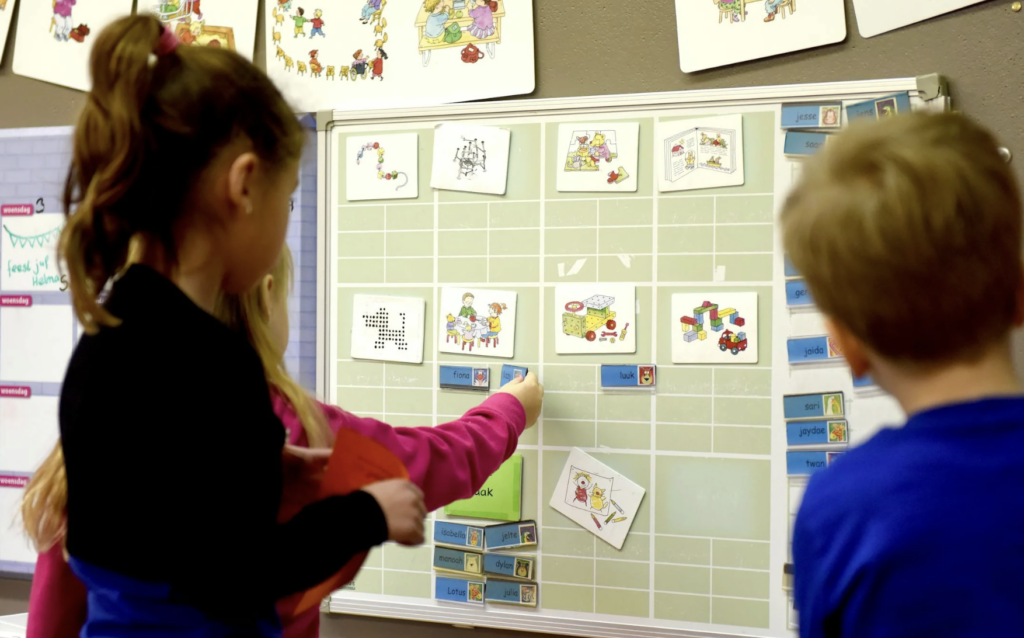
Many autistic individuals benefit from structure and visual communication. Faith communities can improve accessibility by making services easier to understand and anticipate.
Helpful approaches include:
- Visual schedules that outline the order of the service
- Printed or visual guides explaining rituals and traditions
- Photos or short videos shared ahead of services to help families prepare
- Simplified or visual-heavy teaching materials for children and youth programs
Predictability reduces anxiety and makes worship more comfortable and meaningful.
Building Genuine Relationships Through Religious Support
Religious support is rooted in relationships, not just accommodations. Autistic individuals and their families benefit when communities move beyond passive welcome statements and actively build connections.
Examples include:
- Buddy programs pair a trained volunteer with a child during services
- Adopt-a-family initiatives where members provide practical support and friendship
- Small groups or inclusive classes designed to accommodate different communication styles
- Opportunities for autistic individuals to serve in roles that highlight their strengths
These intentional relationships create a stronger sense of belonging within faith communities.
Education and Awareness in Faith Communities
Misunderstanding autism can lead to exclusion or stigma. Education helps congregations better support autistic individuals and their families.
Faith leaders can foster spiritual inclusion by:
- Providing autism-awareness training for staff, volunteers, and clergy
- Educating congregants about neurodiversity and sensory differences
- Explaining that behaviors like stimming or avoiding eye contact are natural forms of regulation, not misbehavior
- Encouraging acceptance of different communication styles
When communities understand autism, they become more compassionate and supportive.
Spiritual Practices That Support Autistic Individuals
Spirituality can offer emotional grounding and structure for many autistic individuals.
Helpful spiritual practices include:
- Prayer and meditation, which can support emotional regulation and calm
- Structured rituals, which offer predictable routines and meaning
- Visual symbols and storytelling, which may resonate with visual thinkers
- Personalized worship, allowing individuals to engage in ways that feel authentic
Recognizing diverse expressions of spirituality ensures that autistic individuals can participate meaningfully.

Supporting Parents and Caregivers
Parents of autistic children often experience isolation, stress, and emotional exhaustion. Inclusive faith communities can play a vital role in supporting caregivers.
Support may include:
- Faith-based parent support groups
- Prayer circles or mentorship programs
- Respite care during services or events
- Faith-centered resources such as books, podcasts, and discussion groups
This inclusive support helps caregivers feel encouraged and connected rather than alone in their journey.
Overcoming Barriers to Spiritual Inclusion
Despite growing awareness, many families still encounter barriers within religious environments, including judgment, misunderstanding, or pressure to conform to traditional expectations.
Faith communities can overcome these barriers by:
- Emphasizing strengths rather than focusing on deficits
- Welcoming diverse expressions of worship
- Encouraging patience and flexibility in services
- Listening directly to autistic individuals and their families
When congregations prioritize belonging over perfection, they create environments where everyone can grow spiritually.
The Power of Belonging
For many families, spiritual inclusion provides more than accessibility; it offers hope, connection, and purpose. When faith communities intentionally support autistic individuals, they model compassion, empathy, and genuine acceptance.
Through sensory-friendly environments, education, and meaningful relationships, religious support can transform faith spaces into communities where every individual, regardless of neurological differences, can participate fully and feel valued.
Faith becomes not just a place to attend, but a community where families truly belong.
For family support, guidance, and resources, contact us. We provide ABA therapy and autism services for children and families in Omaha, Nebraska, and Salt Lake City, Utah, helping families access compassionate care, practical strategies, and ongoing support.

FAQs: Spiritual Inclusion and Autism in Faith Communities
1. What is spiritual inclusion for autistic individuals?
Spiritual inclusion means creating welcoming environments where autistic individuals can participate in religious life in ways that respect their sensory needs, communication styles, and unique ways of experiencing faith. This can include sensory-friendly services, flexible participation, visual supports, and a culture of acceptance within faith communities.
2. How can faith communities support families raising autistic children?
Faith communities can support families by offering sensory-friendly services, trained volunteers or buddy programs, parent support groups, and inclusive religious education. These efforts help reduce isolation and provide emotional and spiritual support for both parents and children.
3. Why are sensory-friendly worship services important?
Many autistic individuals experience sensory sensitivities to noise, lights, or crowded spaces. Sensory-friendly worship services—such as those with reduced lighting, lower sound levels, and quiet spaces help make spiritual participation more comfortable and accessible.
4. What role do faith leaders play in autism inclusion?
Faith leaders play a key role by educating congregations about autism, encouraging acceptance, and modeling inclusive attitudes. Training clergy and volunteers about neurodiversity can reduce stigma and help create more supportive faith communities.
5. Can autistic individuals participate fully in religious activities?
Yes. With the right accommodations and understanding, autistic individuals can meaningfully participate in religious services, community activities, and leadership roles. Inclusive programming and flexible participation allow individuals to engage in ways that fit their strengths and preferences.
6. How can parents advocate for spiritual inclusion in their church or religious community?
Parents can start by communicating their child’s needs with faith leaders, suggesting simple accommodations like quiet spaces or visual schedules, and encouraging autism awareness training. Many communities are willing to adapt when families share their experiences.
7. Where can families find additional support for autism?
Families looking for guidance, resources, and professional support can reach out to specialists who understand autism and family needs. We provide ABA therapy and autism services for children and families in Omaha, Nebraska, and Salt Lake City, Utah, offering compassionate care, practical strategies, and ongoing support.