Key Points:
- Understanding the Challenges Siblings Face: Neurotypical siblings of children with autism often experience emotional strain, social isolation, and increased responsibility that can impact their well-being.
- Strengthening Brother-Sister Relationships: With guidance, structured support, and strategies like ABA therapy, families can foster empathy, cooperation, and stronger bonds between siblings.
- Practical Tools for Families: Through one-on-one time, emotional coaching, and inclusive family strategies, parents can support siblings so they feel valued, understood, and equipped to thrive.
Why Sibling Relationships May Be Difficult When One Child Has Autism
Growing up with a sibling on the autism spectrum can be both rewarding and challenging. Neurotypical siblings often face unique stressors, including feelings of being overlooked, increased responsibilities, or embarrassment over their sibling’s behavior. Research shows that these dynamics can affect emotional well-being and strain brother-sister relationships if not addressed proactively.
Fortunately, parents, caregivers, and therapists can implement strategies, like ABA therapy and structured family support, to help siblings thrive alongside their autistic brother or sister.
Common Challenges Siblings Face
Neurotypical siblings may experience:
- Inequity in Parental Attention: Parents often focus on the autistic child’s intensive needs, leaving other children feeling less valued.
- Behavioral and Safety Concerns: Meltdowns, aggression, or elopement can cause fear or anxiety.
- Emotional Strain: Guilt for having an “easier” life, resentment, or jealousy can emerge.
- Premature Responsibility: Some siblings take on caregiving roles, leading to stress and anxiety.
- Social Isolation and Embarrassment: Avoiding friends or public outings due to a sibling’s behaviors.
- Disrupted Family Routines: Daily activities and vacations may be limited or altered.

Strategies to Support Siblings
Supporting siblings involves creating a balanced, understanding environment. Parents and caregivers can adopt the following strategies:
1. Dedicate One-on-One Time
Schedule regular, uninterrupted time with neurotypical siblings. This validates their importance and reduces feelings of invisibility.
2. Open Communication & Education
Explain autism in age-appropriate language, encourage questions, and clarify behaviors. Understanding their sibling reduces fear, confusion, and resentment.
3. Validate Emotions
Provide a safe space for siblings to express guilt, frustration, or embarrassment without judgment. Tools like “feelings boxes” or journaling can help children articulate complex emotions.
4. Set Realistic Boundaries
Avoid expecting siblings to act as caregivers. Their primary role is to be a brother or sister, not a therapist.
5. Facilitate Peer Support
Encourage friendships with peers who also have siblings with autism. Support groups to provide understanding and emotional resilience.
How ABA Therapy Supports Brother-Sister Relationships
Applied Behavior Analysis (ABA) therapy is often associated with teaching skills to autistic children, but it can also enhance brother-sister relationships by improving communication, social skills, and family interactions.
Key Ways ABA Helps:
- Improved Communication: ABA teaches autistic children to express needs more clearly and helps siblings interpret non-verbal cues, reducing frustration.
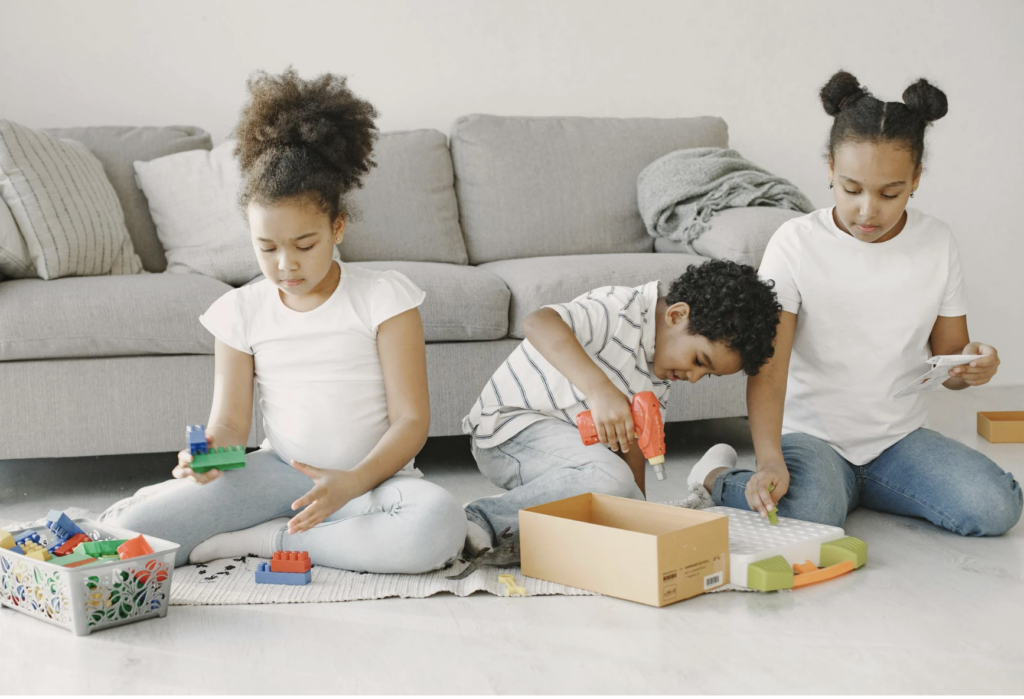
- Structured Play & Social Skills: Therapists model turn-taking, sharing, and perspective-taking in joint play sessions.
- Sibling Inclusion in Therapy: Including siblings in therapy sessions helps them understand autism, decreasing resentment or confusion.
- Empathy & Coping Strategies: Siblings learn to recognize triggers, manage their own emotions, and respond positively during challenging behaviors.
- Predictable Environment: Structured routines reduce chaos, allowing more positive interaction and quality time between siblings.
ABA in Action: Examples for Families
Example 1: Turn-Taking Game
A 7-year-old autistic boy often grabs toys from his 9-year-old sister. The therapist sets up a “turn-taking” game using cards: the sister shows her card when it’s her turn, and both children are praised for sharing. Over time, the autistic child learns patience, and the sister feels empowered rather than frustrated.
Example 2: Positive Reinforcement for Sibling Interaction
During joint therapy, the autistic child receives praise or small rewards when responding to a sibling’s request or waiting calmly. This encourages cooperative behavior and strengthens the bond between siblings.
Example 3: Joint Skill-Building Activities
Activities such as play therapy or role-playing exercises teach autistic children social skills while siblings learn to support, guide, and celebrate successes. This structured interaction builds empathy and trust.
Family Therapy and Broader Support
Beyond ABA, family therapy can help siblings navigate emotional strain, improve communication, and build resilience. Strategies include:
- Parent-Child Interaction Training: Coaching parents to respond to subtle communication cues.
- Routine Management: Visual schedules reduce stress and make expectations clear for all children.
- Structured Play Therapy: Activities that encourage turn-taking, sharing, and bonding.
- Advocacy & School Support: Coordinating with teachers or therapists ensures siblings feel understood outside the home.
With thoughtful guidance, neurotypical siblings can feel valued, understood, and connected, creating a supportive and harmonious family environment.
We provide family support for emotional coaching, caregiver guidance, strategy training, and education so families feel supported and equipped. Contact us for family therapy, guidance, and support today.

FAQs: Supporting Siblings of Children with Autism
1. What challenges do siblings of children with autism face?
Siblings often experience emotional strain, social isolation, feelings of being overlooked, and sometimes premature caregiving responsibilities. These challenges can affect their self-esteem, social life, and brother-sister relationships.
2. How can parents support neurotypical siblings?
Parents can dedicate one-on-one time, validate their feelings, provide age-appropriate education about autism, set realistic expectations, and facilitate peer support. Ensuring siblings have space for their own activities is also crucial.
3. How does ABA therapy help sibling relationships?
ABA therapy can improve communication, teach social skills like turn-taking and sharing, reduce frustration, and create structured opportunities for positive interaction between siblings. Including siblings in therapy sessions strengthens understanding and empathy. Learn more about our approach to ABA therapy.
4. Are there support groups for siblings?
Yes. Digital programs and local sibling support groups connect children with peers in similar situations, providing emotional support, coping strategies, and a sense of community.
5. How can family therapy benefit siblings?
Family therapy addresses the needs of all members, not just the child with autism. It helps siblings manage stress, improves family communication, strengthens bonds, and provides strategies for balanced caregiving.
6. How can parents prevent sibling resentment or guilt?
By dedicating special one-on-one time, validating feelings, avoiding over-reliance on siblings for caregiving, and fostering open discussions about emotions, parents can reduce resentment and guilt.
7. What practical strategies help siblings thrive at home?
Structured routines, emotional coaching, inclusive play, positive reinforcement, and teaching coping skills are effective. ABA-based activities, shared interests, and clearly defined boundaries also help siblings feel valued and understood. Reach out to us today to start ABA therapy.